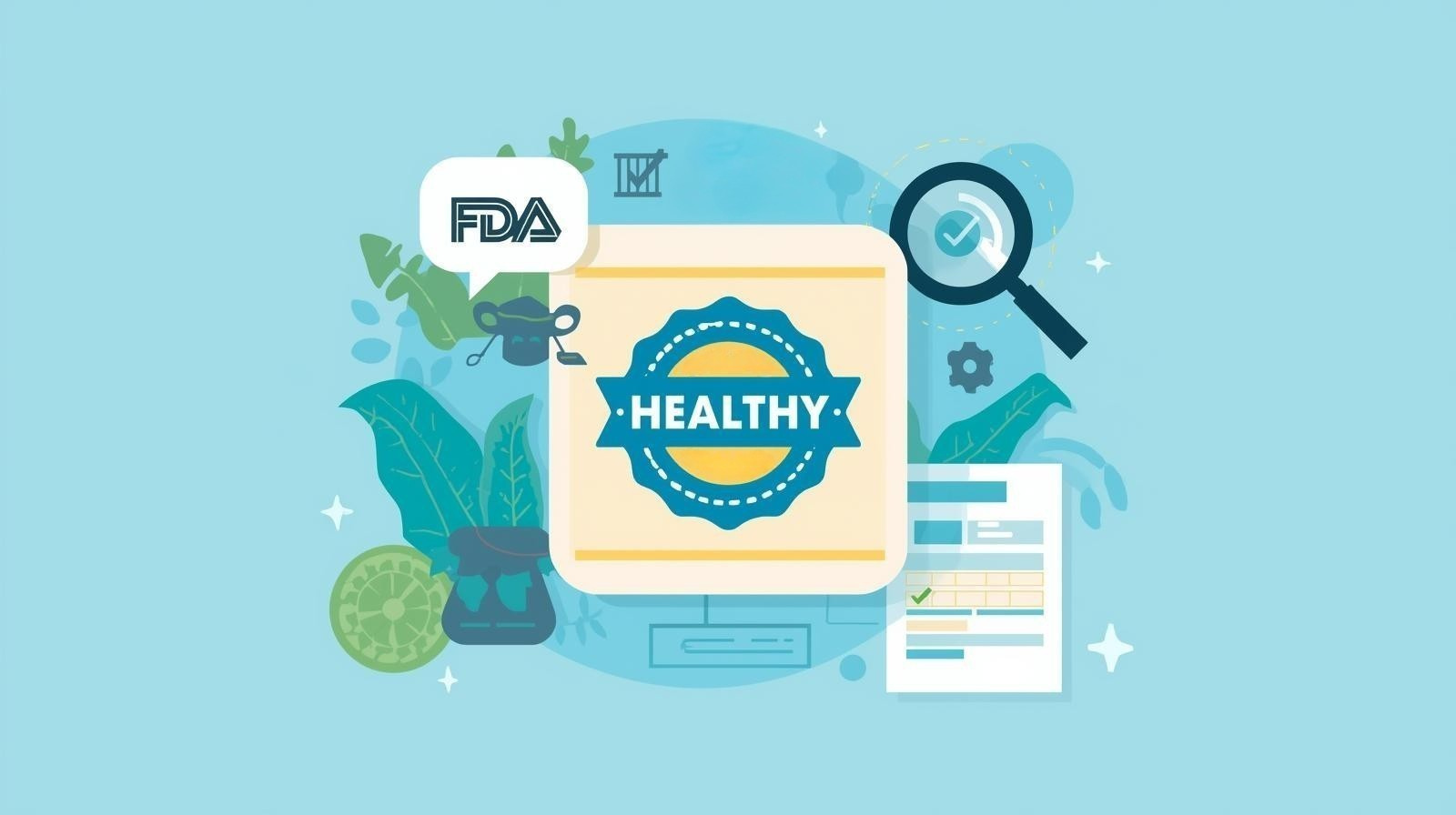

The FDA’s updated definition of “healthy” officially took effect in February 2025, giving food manufacturers until 2028 to achieve full compliance. But for many brands, the clock is already running out.
What began as a nutrition labeling update is rapidly becoming a supply chain challenge, one marked by rising ingredient premiums, shrinking supplier pools, and compounding regulatory risk for companies that are slow to act.
David Lennarz, President of Registrar Corp, an FDA compliance and regulatory agency, breaks down what the new “healthy” standard actually requires, where manufacturers are getting tripped up, and why early movers are gaining a significant advantage heading into 2028.
What’s the most common misconception you’re seeing about the FDA’s updated “healthy” claim?
David Lennarz: The most common misconception is that this is simply a marketing tweak. The revised “healthy” definition from the U.S. Food and Drug Administration fundamentally changes nutrient thresholds and qualifying food groups. Some companies assume minor label edits will suffice, when in reality many products require substantive reformulation, documentation updates, and a full reassessment of whether they can substantiate the claim at all.
Beyond the actual reformulation, where do companies most often get tripped up?
DL: Even after reformulation, companies forget to update the Nutrition Facts panel, ingredient list, or marketing copy on digital platforms. Discrepancies between formulation information, lab analysis, and labeling claims can initiate a risk of compliance. The process follow-through is as important as the formulation change.
As teams swap ingredients to meet the new thresholds, what supplier qualification and quality testing steps can’t be skipped, even under timeline pressure?
DL: Manufacturers must verify ingredient specifications, Certificates of Analysis, allergen controls, and country of origin documentation for a new ingredient. Independent lab analysis to confirm nutritional content is also necessary. Omitting these steps can lead to claims or recall issues, especially when reformulation deadlines are shortened.
For importers and private label manufacturers, what additional compliance risks show up when sourcing new ingredients internationally?
DL: International sourcing introduces added complexity, including tariff risk, customs paperwork, international verification of suppliers, and differences in ingredient standards. The importer needs to make sure that the supplier complies with U.S. regulatory requirements and that the paperwork supports any claim of being “healthy.” Inconsistencies between international standards and U.S. labeling regulations could pose a risk of detention.
With the compliance deadline set for February 25, 2028, what should leaders do in the next 90 days to avoid higher ingredient premiums and shrinking supplier options later?
DL: Leaders should begin a gap analysis across the portfolio today, determine which products are at risk, and begin early discussions with suppliers about alternative sources that are compliant. By gaining early commitment from suppliers and making forecasts, leaders can mitigate against future price shocks.
By starting lab validation and label reviews early, leaders can avoid last-minute, more costly changes as the deadline nears.
 David Lennarz co-founded Registrar Corp in 2003 and serves as the company President. He has worked for nearly 25 years in FDA-regulated industries, conducting seminars on FDA regulations for trade associations, export organizations, and governments around the world.