

Despite what the doom-and-gloom headlines want you to think, craft beer is not dead. Yes, one of the most repeated facts of the industry right now is that more breweries are closing than opening. But the more level-headed truth is that after dramatic spikes of growth dotted across a nearly four-decade history, craft beer has reached its cruising altitude.
Experts Featured
Chris Chamberlain is a drinks writer.
Chris Maestro is the co-owner of the beer bar BierWax.
David Nilsen is a beer writer and educator.
Ryan Pachmayer is a beer writer and brewer.
Sayre Piotrkowski is a beer writer and consultant.
Jon Sicotte is executive editor of Brewer magazine.
Frances Tietje-Wang is a writer and brewing chemist.
Saturation, competition, a global pandemic and shifts in culture and consumer preferences have all shaped craft beer. We’ve also, however, reached an inevitable maturation that comes for any industry. Craft beer couldn’t be the cool new kid on the block forever.
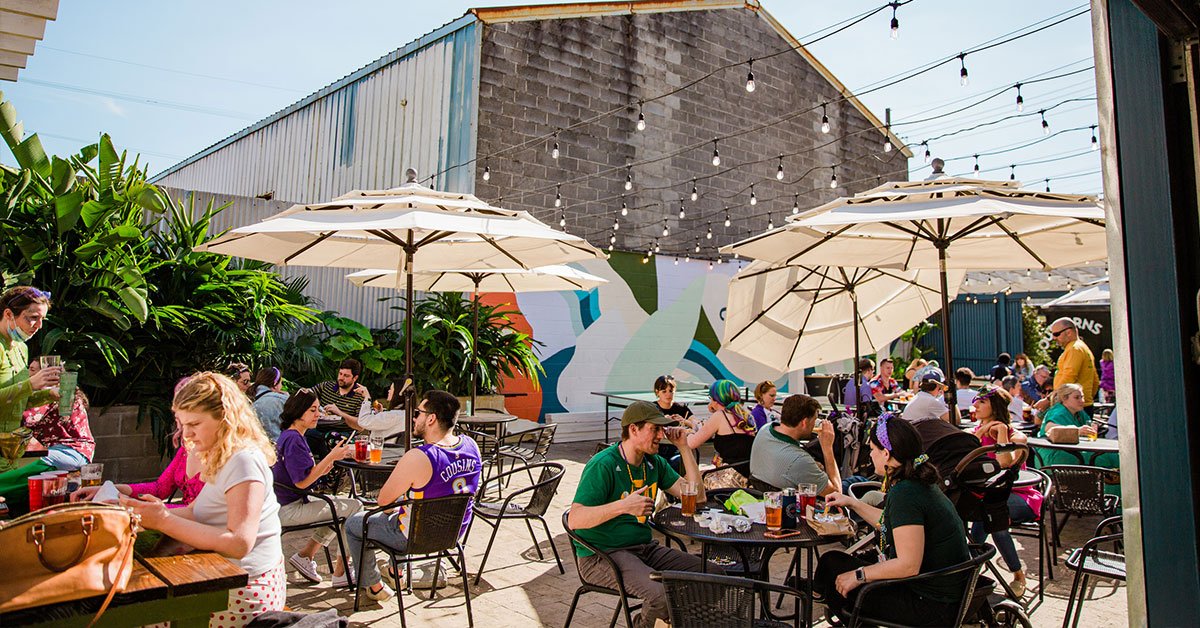
What does that mean for breweries now? They’re focusing less on making their way onto the shelves of national grocery chains and more on hospitality and being a hub in their own communities. They’re keeping volumes smaller, but using that agility to make more interesting beers, or to develop tightly curated lineups. In 2026, the breweries to know are specializing in specific categories, tapping into new trends like low-ABV beer and non-Eurocentric ingredients, and putting real time into their taproom atmospheres and events.
Here’s who’s shaping craft beer now.
Known for: Lower-ABV, mid-strength beers
The can to know: Rosato Rosé IPA
“Andiamo is playing around in uncharted waters: the land of low-ABV, but not non-alcoholic, beers,” says beer writer and brewer Ryan Pachmayer. This category has slowly been finding its audience: Dad Strength Brewing, which makes a 2.9 percent ABV beer, recently secured a $300,000 investment on Shark Tank after bringing in nearly that amount in its first year, and light beer brand Garage Beer hit a $200 million valuation in 2025.
After years of extremes—either 9 percent ABV IPAs or zero-booze lagers—Andiamo found a niche in the middle ground. Cousins Brian Terra and Kevin Barnes can a 3.5 percent ABV Italian-style pilsner, a 3.9 percent ABV lagered pale ale, a 3.2 percent ABV Czech-style dark lager, and a 3.8 percent ABV rosé IPA, made with pinot noir grape juice, a white-wine yeast strain and the white-wine-expressive Nelson Sauvin hops. Andiamo’s Italian-inspired branding bridges a gap between classic beer aesthetics and chic, low-proof aperitivo culture—the rosé IPA even drinks like a spritz.
Credit: Sarah Schneider
Known for: Diverse styles at sessionable ABVs
The can to know: Fleece Wizard Dark Rye Lager
In Columbus, Honest Friend also zeroes in on lower-ABV territory and, to go with that sessionable approach, provides an especially welcoming taproom. Founders Chris Carter, Will Cutmann and Kayla Lewis “wanted to create a space and a brand that didn’t feel like the brash, boisterous brewery identities that still define so much of the craft beer scene,” says beer writer and educator David Nilsen. Opened in October 2025, Honest Friend’s space pops with whimsical artwork and pastel hues. “They’ve created a second living room for the city’s creatives, and a refuge for anyone tired of the industry’s lingering macho inclinations,” Nilsen adds.
Honest Friend’s beers are indeed designed to linger. Brewed by Carter, formerly of acclaimed brewery Seventh Son, the lineup offers variety and flavor within about 4 to 6 percent ABV. There’s a toasty, spicy dark rye lager, a classic American IPA. a crisp Czech-style pilsner, a tart cherry ale and a warming oatmeal porter, among others.

Credit: Amanda Bizarro
Known for: Lagers, lagers, and more lagers
The can to know: Generic American Lager
Hailing from Nevada, Ryan Dunlap dared to establish a Southwestern-style “lager saloon” in Portland, Maine—one of the country’s craft-beer capitals, built on Allagash’s Belgian-style witbier and a whole lot of IPA from everyone else. When Argenta opened in 2024, it made a distinct mark on Portland and craft beer in general with its contemporary saloon atmosphere—think swinging doors, pastels and retro tattoo-inspired artwork—and Dunlap’s excellent lagers.
Argenta’s canned “Generic American Lager” is the crowd-pleasing, refreshing little crusher you can find on store shelves. In the taproom, there’s also a New Zealand hopped pilsner, a Mexican-style lager, a crisp rice lager and a subtly toasty black lager. The lineup dispels any misconceptions that the lager category is narrowly defined. Dunlap also leans into various serving methods, not only offering spaghetts and radlers but also pouring every beer on Lukr faucets and venturing into Japanese-style sharp pours (a method that enhances the sensory experience of the beer’s chilled temperature plus its creamy foam).

Known for: Churning out consistently good beers across the style spectrum at a breakneck pace
The can to know: TailGate Orange Wheat Beer
Wesley Keegan opened the first location of TailGate Brewery in Nashville in 2014 during craft beer’s headiest days. But instead of chasing nationwide distribution dreams, Keegan set out on a different path that primed TailGate for growth, even as the industry struggles this year. He’s been focusing on the brewery’s presence in Tennessee, expanding to a whopping nine locations in the state. TailGate’s success is built on hospitality, which extends to making sure there’s something on tap or in cans for truly every taste.
TailGate has an impressive output, making more than 200 different beers a year. “But during current market conditions, they can also shift focus to a ‘core four’ that maximizes production efficiency while still offering something for almost everyone,” says Nashville-based drinks writer Chris Chamberlain. TailGate’s flagship orange wheat beer is an award-winning crowd-pleaser in the Tennessee heat, and the beer portfolio runs the gamut from barrel-aged beers to a fruited experimental line to wild ales.

Credit: Michael Tucker
Known for: Crushable lagers alongside Belgian ales and bright fruited sours
The can to know: Flor de Jamaica Sour Ale
Alex Peyroux and Janice Montoya opened Miel in the Irish Channel neighborhood of New Orleans in 2016, and the brewery has come more into its own every year. In a city that can feel made for tourists, Miel has set itself apart with a distinctive beer menu and a taproom that gives locals a gathering place.
Brewer Shawna Hays knows what those locals and tourists alike want to drink and she delivers with a mastery of flavor and refreshment: crisp lagers for that New Orleans heat and unique ales that rival the city’s famed cocktails in creativity and complexity, while also driving up the ABV for the population in town to cut loose. The Flor de Jamaica is a vibrant, layered sour with hibiscus, sea salt and cinnamon that took gold at 2025’s Great American Beer Festival; alongside it, taproom guests can find gems like a Polish-style amber bock, rauchbier, kölsch and schwarzbier with cold brew.

Known for: Intensely flavorful, balanced IPAs and pale ales; crisp lagers
The can to know: Scusi Italian-style pilsner
Jon Sicotte, executive editor of Brewer magazine, says Traum Brewing is one to watch. The brewery’s owner, Kyle Treadway, recently told him that out-of-town visitors are trekking to Upper Sandusky, Ohio to visit the taproom on a weekly basis.
Sciotte attributes some of that success to the way the beers look: Their labels are painterly and vibrant, with visuals pulling inspiration from abstract expressionism and pop art. “The can design and photography make for great social media posts, and show that level of care and quality as Kyle develops the recipes, the themes, and the artwork as a cohesive package.” The payoff, he adds, is a “brand that feels meaningful.”
Traum opened in late 2023, but didn’t experience the awkward early stage most new breweries do. Treadway had dialed in his recipes before opening Traum’s doors; now, locals as well as beer travelers enjoy excellent lagers like the Scusi Italian-style pilsner, lush IPAs like the New Zealand hop-packed Chaos Threads and less common gems like Baltic porter and Irish pale ale alongside beer-steamed hot dogs in a cozy taproom with a next-level record collection.

Known for: Classic beer styles updated with Asian flavors
Can to know: Buddha’s Hand Citron IPA
While American cuisine has always pulled from an expanding pool of cultural influences, “American craft beer” has historically been more narrowly defined. Now, it’s catching up. Lucky Envelope is reinventing beer styles with ingredients from several Asian cuisines.
“They have curated flavors beyond the conventional,” says writer and brewing chemist Frances Tietje-Wang. “Though they have a solid pilsner for crispy-boi appreciation, [they’re also] utilizing ingredients like ube and mango while weaving in an authentic narrative of Asiatic inspiration.” Lucky Envelope is named for the Chinese tradition where relatives gift younger generations red envelopes of cash to symbolize prosperity and health. Founders Barry Chan and Raymond Kwan have woven oolong, calamansi and gochujang into past beers, and unique creations like a mango lassi milkshake sour sit next to well-executed staples like a crisp rice lager and tropical Mosaic-hopped IPA.

Credit: Kaitlyn Bowers
Known for: Tightly curated but diverse lineup of styles, retro branding and their own beer fest
Can to know: Uncle Money American Pilsner
“If I could buy stock in a California brewery today, it would be Movement,” says Sayre Piotrkowski, beer writer and founder of Beer & Soul Consulting. “There is an abundance of talent over there, both in the brewhouse and on the brand side of things.” Movement nails a variety in beer styles with a consistency in quality that’s no small feat. Think restrained light lagers, both classic and West Coast-hopped pilsners, Czech-style dark lager, hazy IPAs embracing the latest hops, and sours and imperial stout dialing flavor up to 11.
“They have a vibrant, large tasting room [and] they are entirely self-distributed,” Piotrkowski says. They’ve also become an exciting pillar of the local beer community: “Their ’90s Fest is one of the best annual beer events in California.”
Known for: Big hoppy flavors, small ABVs
The can to know: Waka New Zealand Pale Ale
Full Frame opened in 2025 from cofounders and veteran brewers Alyssa Hoberer and Jacob Kemple. They excel at making lagers and ales that deliver lush hop bouquets at low ABVs. Among the lineup are hoppy and classic lagers and New Zealand, Australian and New England pale ales as intensely flavorful as big hazy IPAs, but brewed with balance. These beers make you want to keep going in for sip after refreshing sip—which is totally doable, considering they range from 4.5 and 5.5 percent ABV.
Hoberer and Kemple also know how to create a community space for today’s customer. They have a coffee counter, Twisted Tea on tap and run events for everything from journaling and art shows to LGBTQIA+ healthcare provider socials in their welcoming space.

Credit: Justin Sirois
Known for: Traditional lagers and service methods
Can to know: German-Style Pils
Founded by Nick Meyer—who has cooked at Eleven Madison and Blue Hill at Stone Barns—Eckhart opened in Brooklyn’s Bushwick neighborhood just last fall, but it has already made a big impression. The taproom nods to German beer halls but with chic modernity and comfortable spaciousness; chef Fred Maurer cooks up German-accented fare; and, most importantly, there’s the beer.
Head brewer Adam Wolfe focuses on the lager category’s expressive style diversity and its accompanying service methods: All of Eckhart’s taps are Lukr faucets, and they run traditional kölsch service monthly.
“I was thrilled by the prospect of a lager-forward brewery in New York City,” says Chris Maestro, co-owner of Brooklyn’s BierWax, who appreciates the brewery’s “variety of German and Czech side-pull lagerbier.” When Maestro tasted Eckhart’s German-Style Pils, he quickly made it BierWax’s house pilsner, and the feedback has been overwhelmingly positive: “We’ve gone through a ton of it over the past year,” he says.