
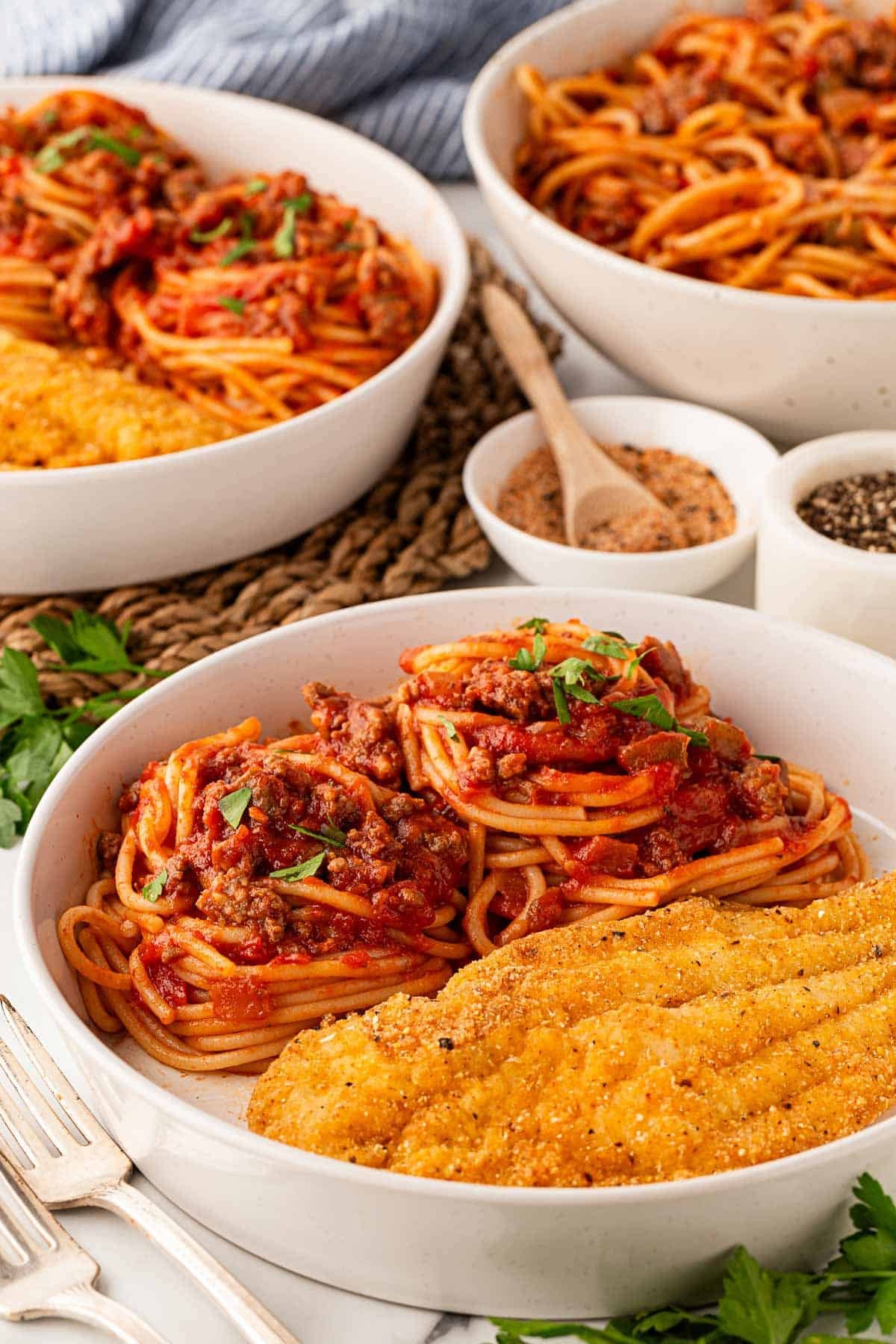

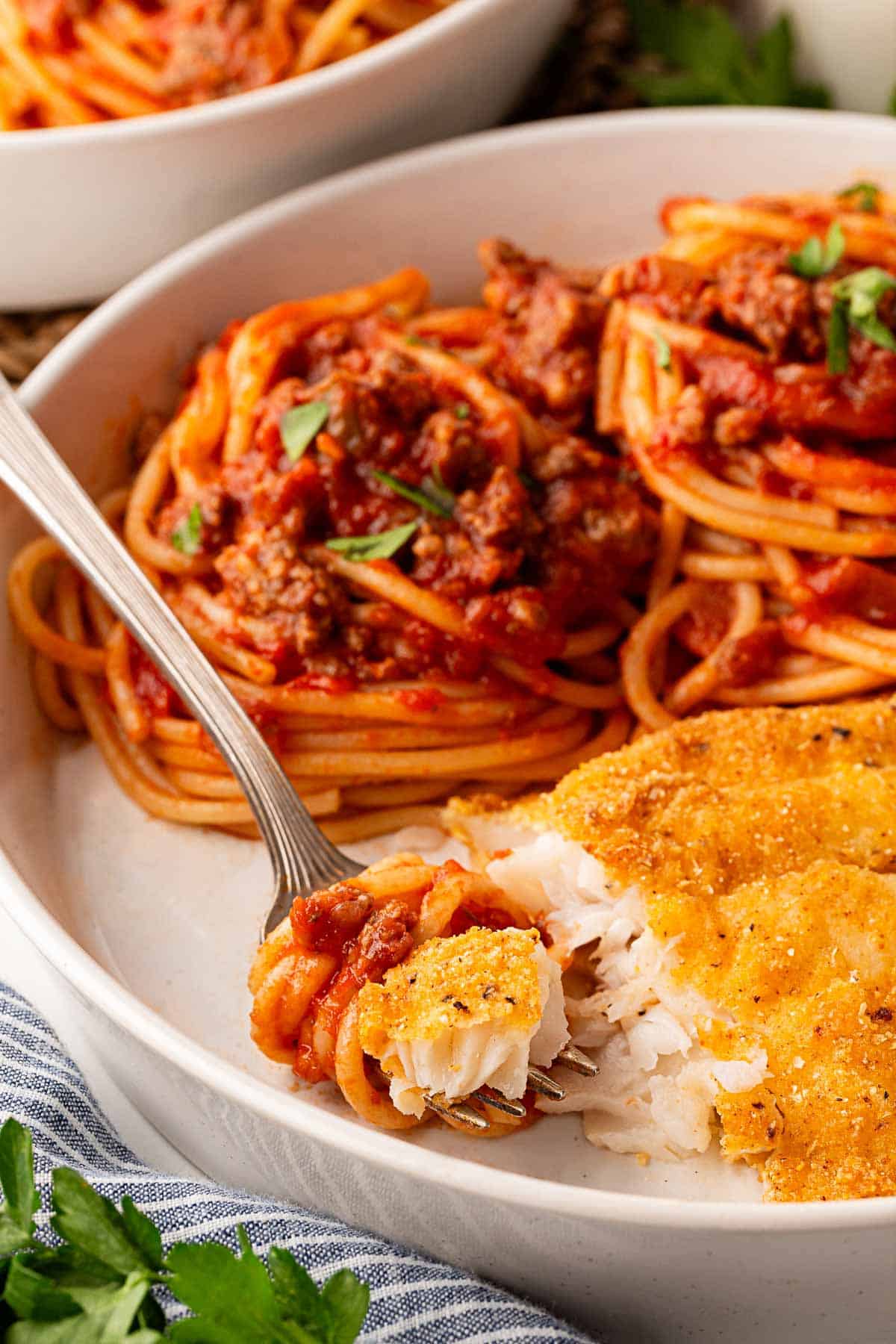
My Midwestern boos will get this one right away. Fried fish and spaghetti just belong on the same plate!! I know some of y’all might side-eye it if you didn’t grow up on it, but trust me, it’s real comfort food. I usually make my fish and spaghetti with catfish, but whiting, perch, or tilapia are all popular picks, too. I like to load my plate Chicago style with spaghetti on one side, fried fish on the other, plus lemon wedges, hot sauce, and some hush puppies if they’re around.
This post may contain affiliate links. Read our disclosure policy.
How to Make Fish and Spaghetti
These step-by-step photos show how to make Southern fried fish and spaghetti, but be sure to check the recipe card below for the full ingredient list and detailed instructions. Skip to the → Fish and Spaghetti Recipe
1. Add all the breading ingredients to a zip-top bag
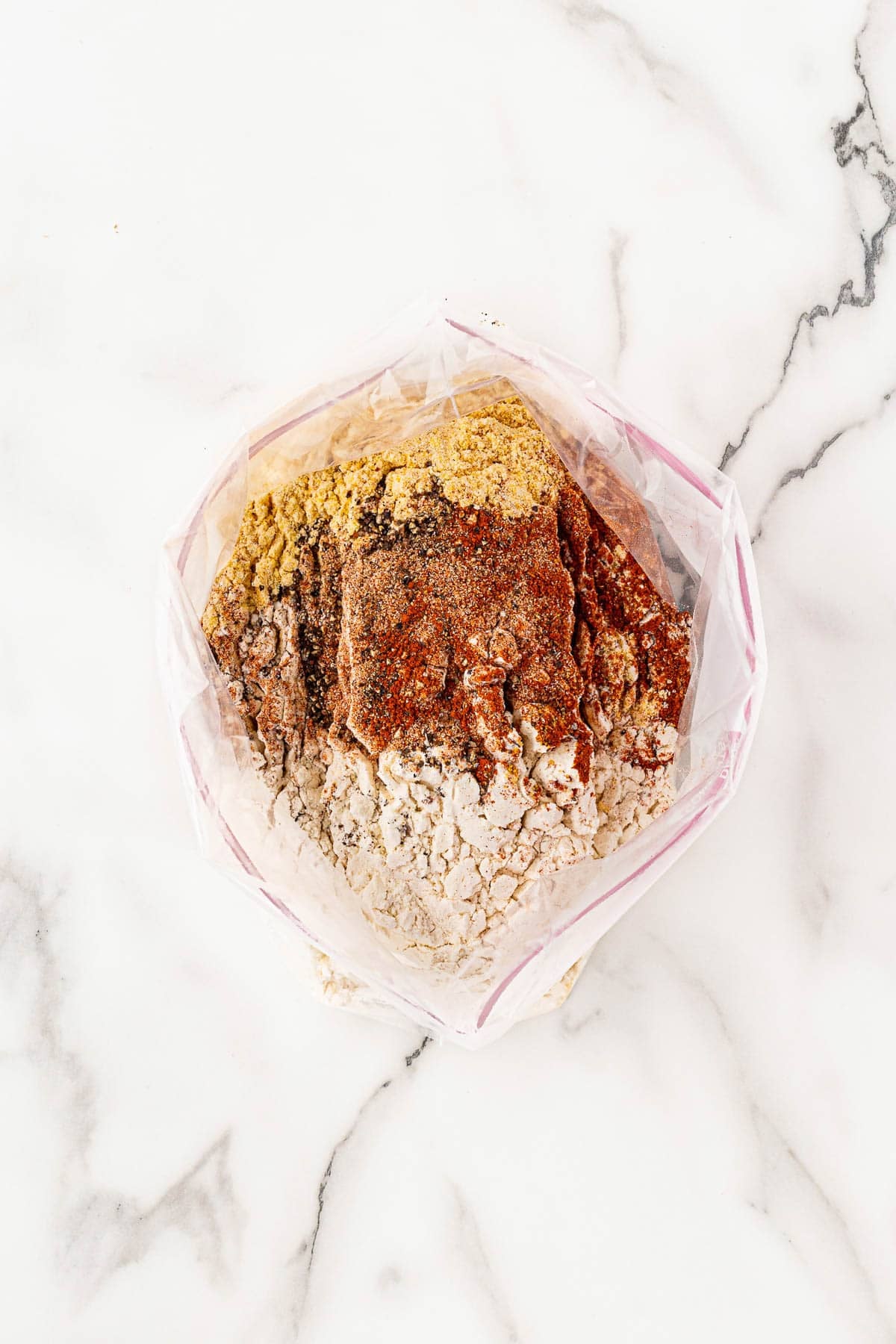
Shake together until well combined.
2. Add eggs and hot sauce to a large shallow bowl
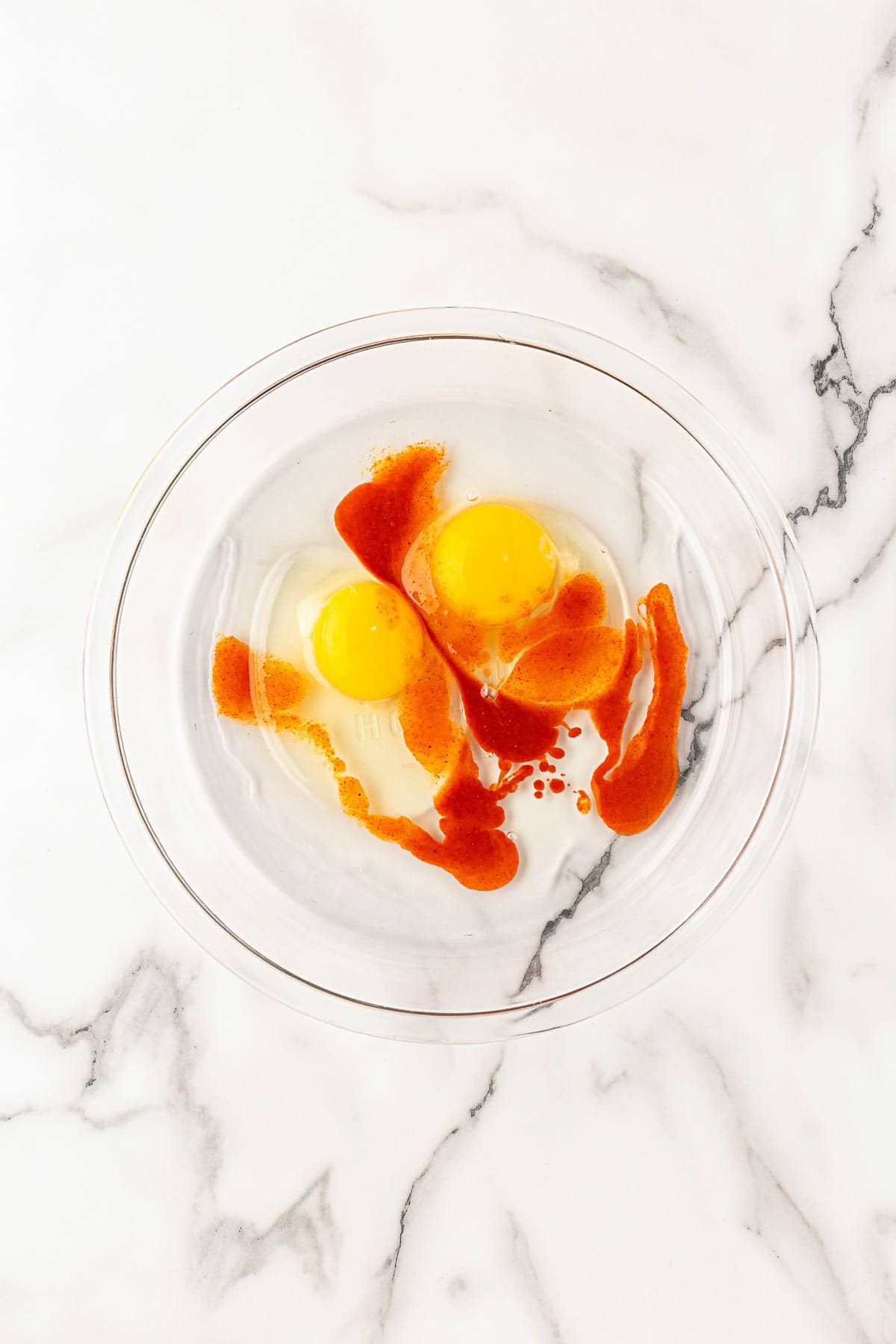
Whisk until well combined.
3. Bread the fish fillets
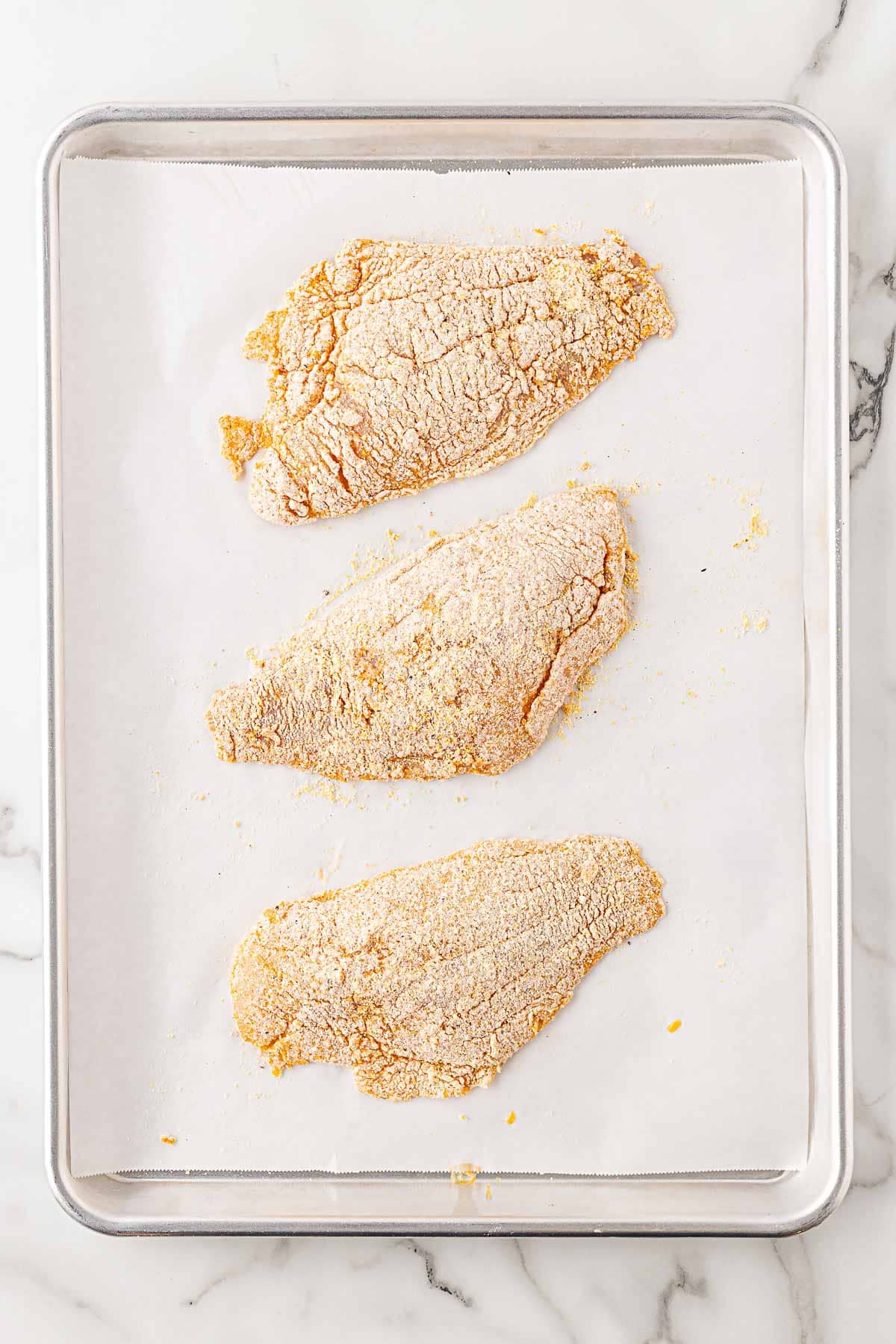
Dip each fillet into the egg mixture on both sides, then add to the cornmeal breading and shake well to coat. Shake off excess coating, place on a parchment-lined baking sheet, and let the fish rest briefly before frying.
4. Fry the fillets until golden brown
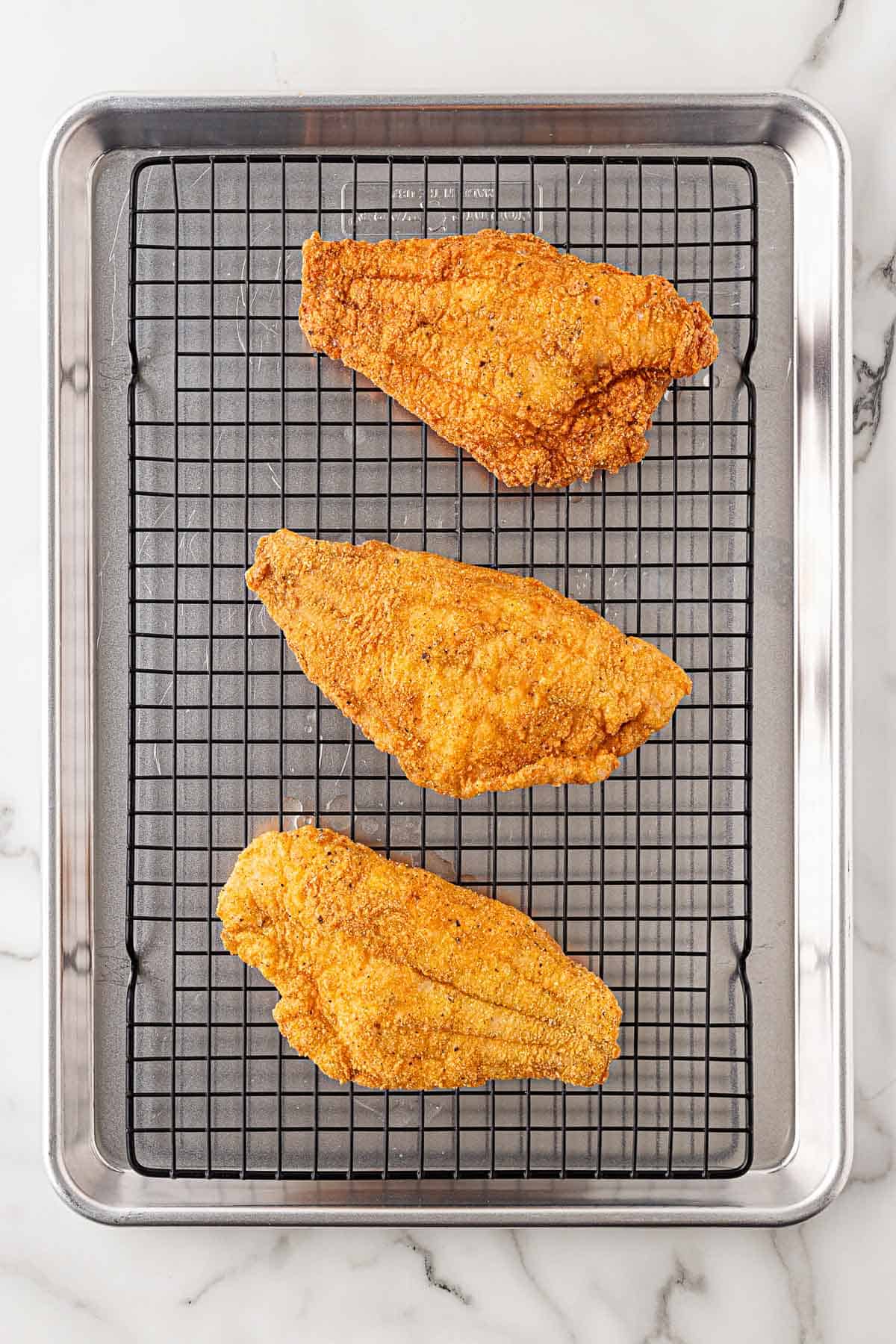
Work in batches. Then, remove and drain on a wire rack set over a paper towel–lined baking sheet.
5. Brown the meat and vegetables for the sauce
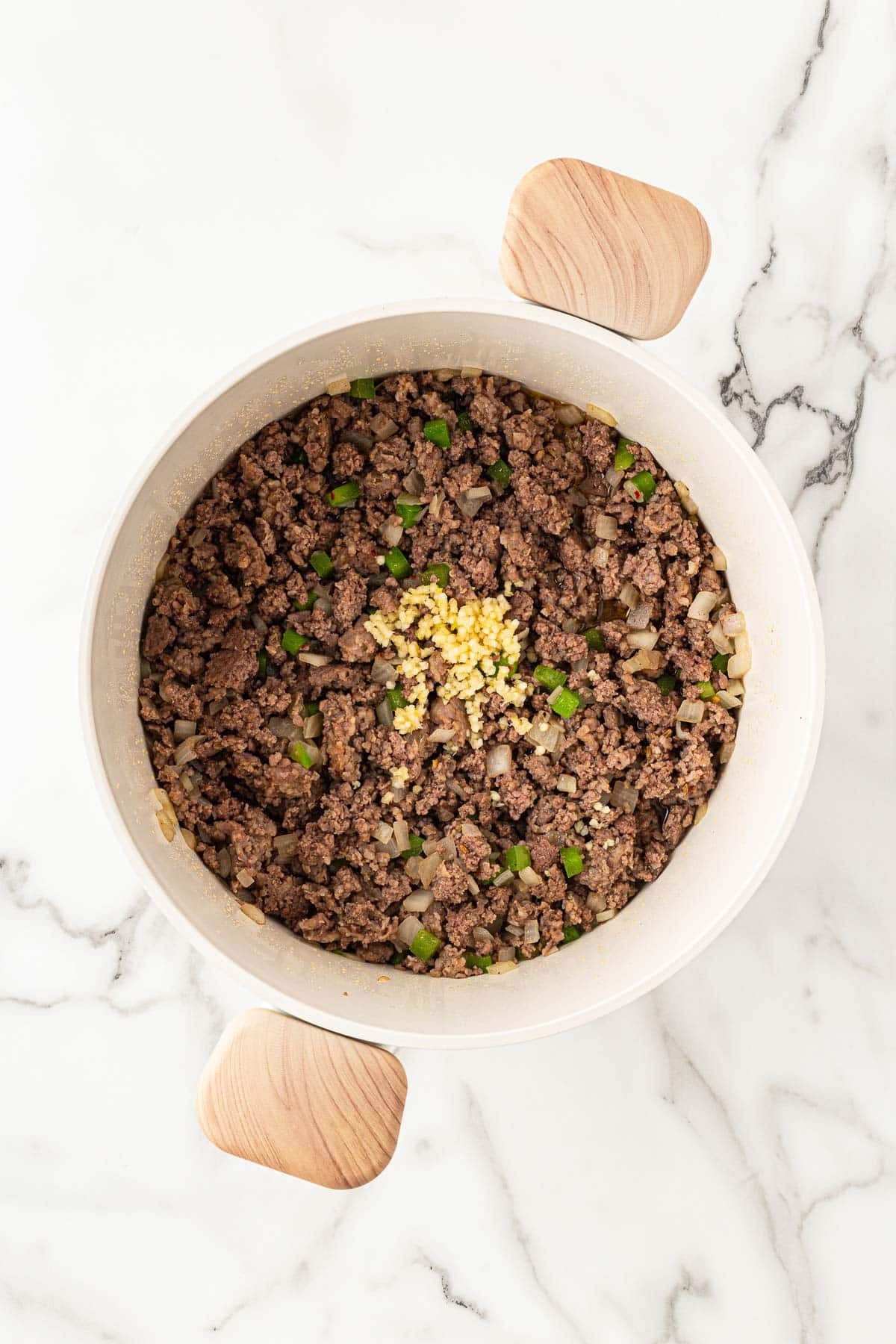
Add olive oil to a large pot over medium-high heat. Add ground beef, Italian sausage, onion, green pepper, salt, and pepper, and cook until browned. Add garlic and cook briefly.
6. Finish your homemade spaghetti sauce
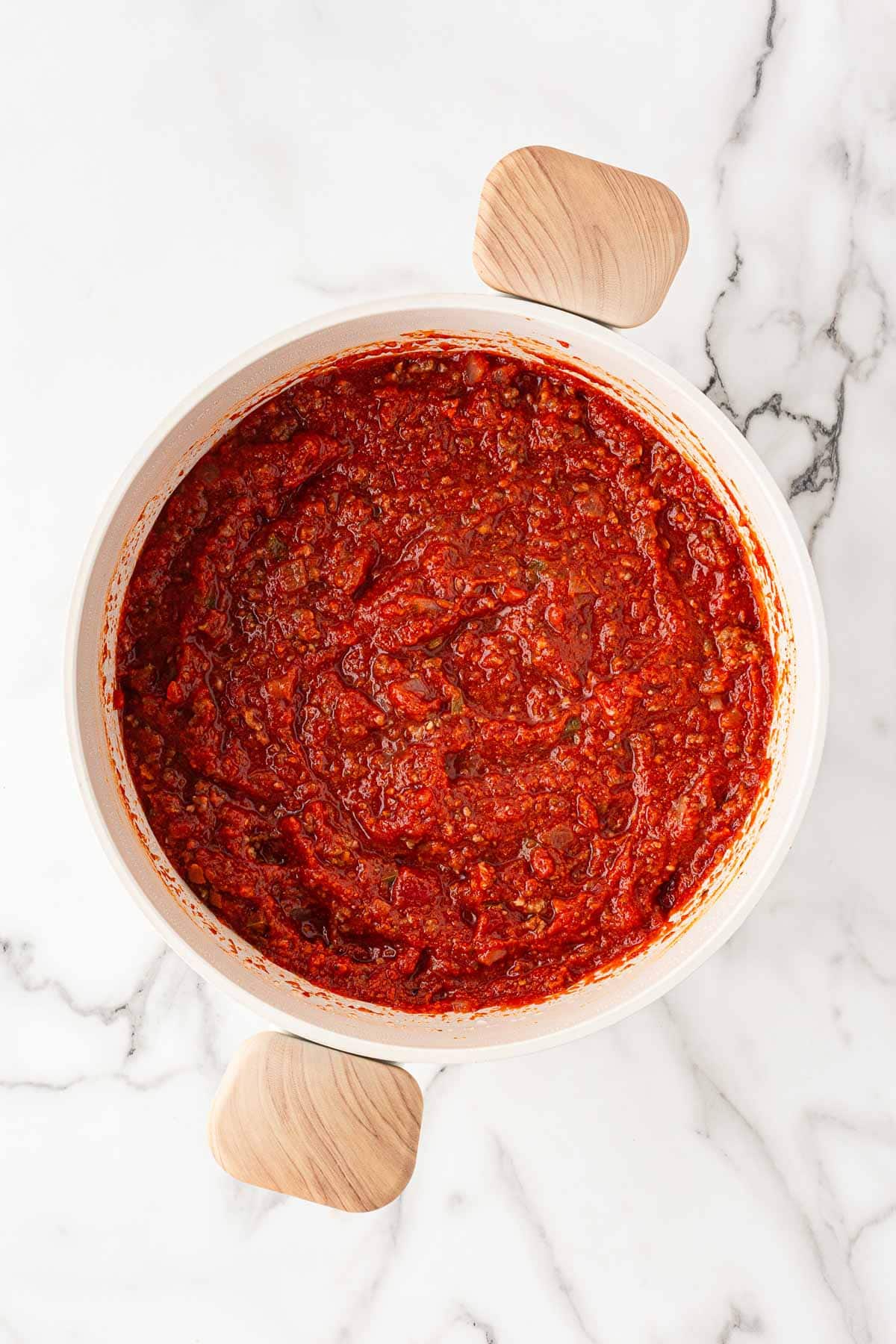
Add crushed tomatoes, tomato sauce, red wine, chicken stock, Italian seasoning, sugar, and red pepper flakes. Reduce the heat and simmer until the sauce thickens.
7. Cook spaghetti and combine with sauce
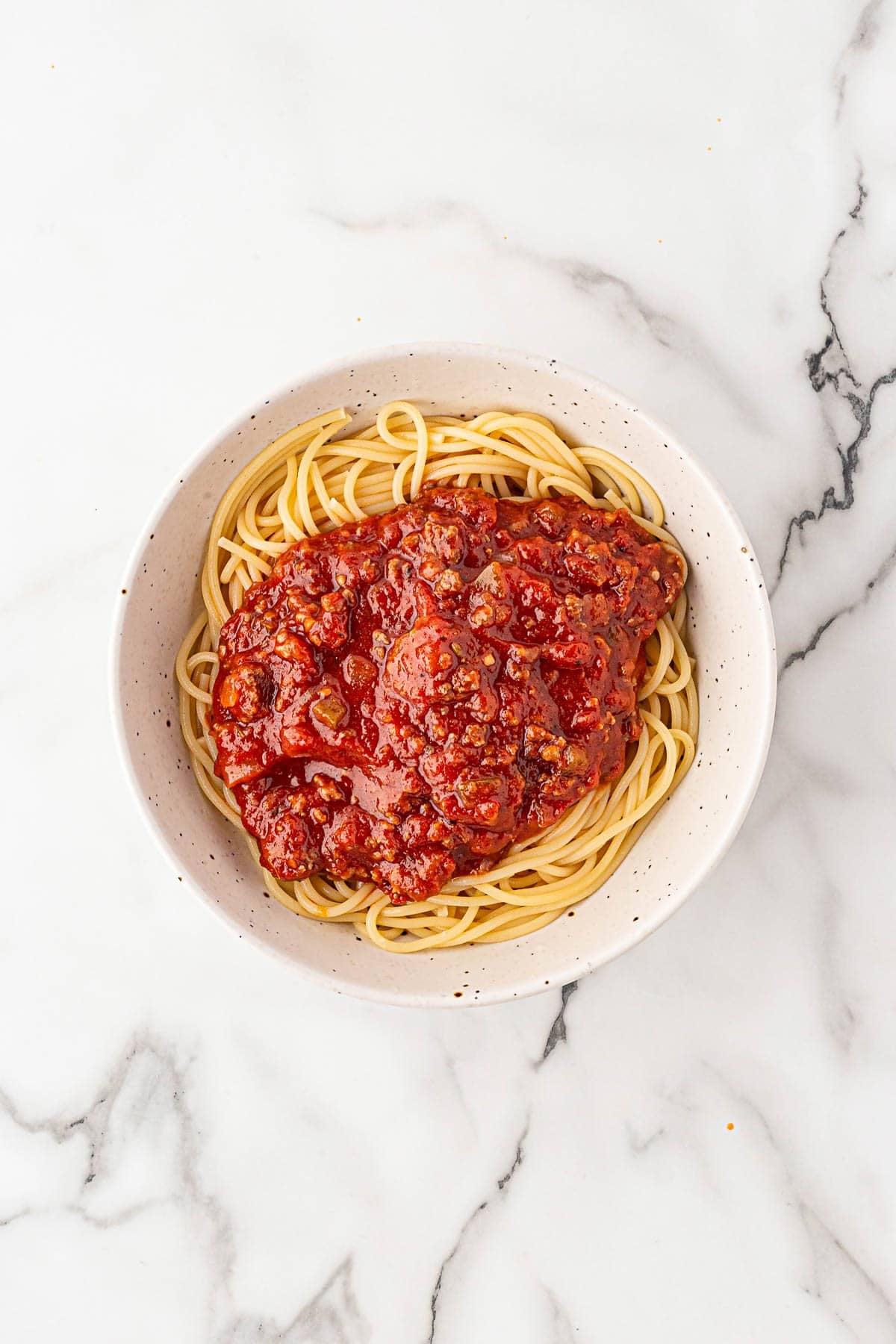
Bring a large pot of salted water to a boil and cook the spaghetti until al dente. Drain, rinse with cold water, then add the spaghetti to the sauce and toss to combine.
8. Serve your fried fish and spaghetti
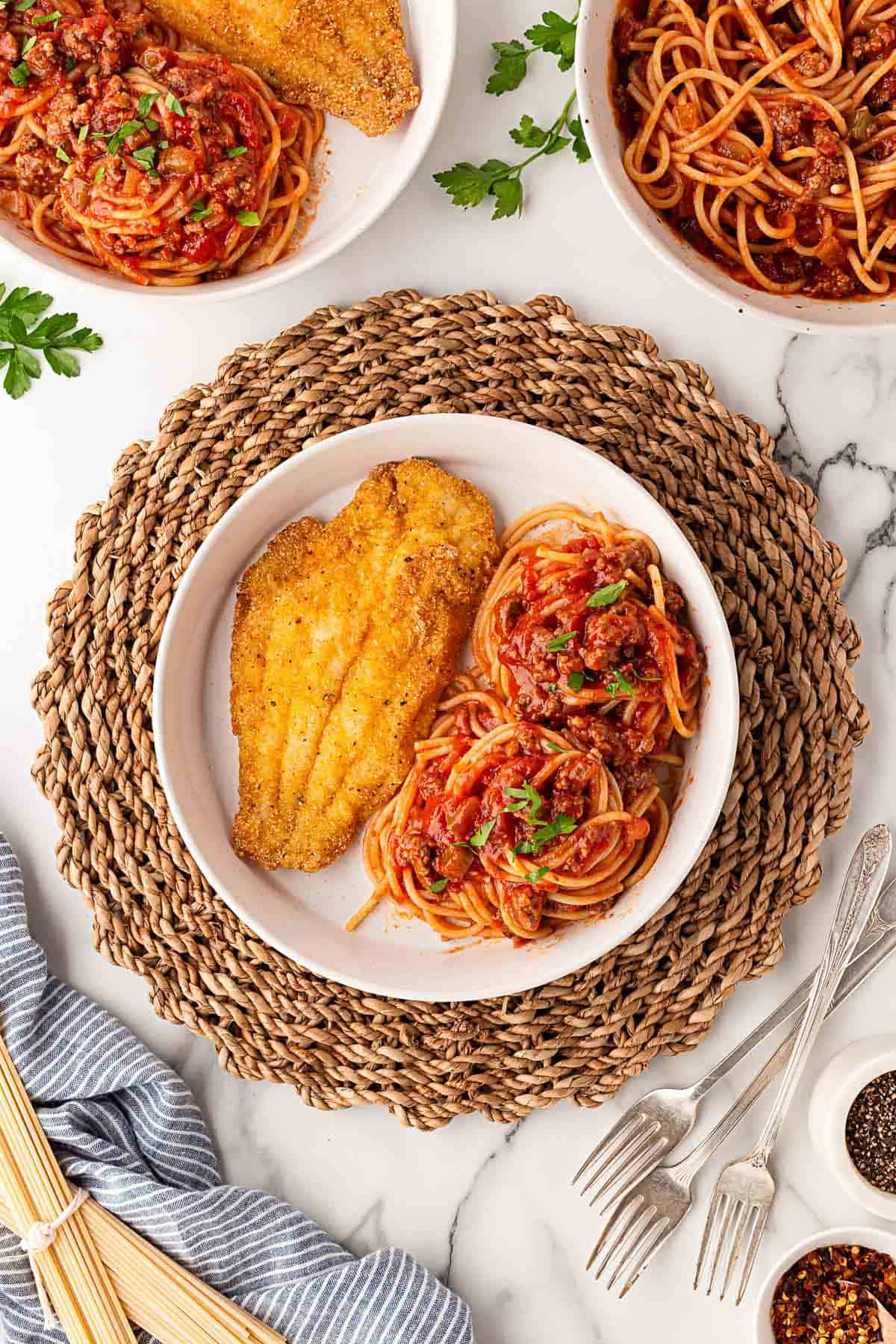
Plate the spaghetti on one side and the fried fish on the other.
PRO TIP: Salt that pasta water real good, boos. Don’t be shy with it! The water should taste like the sea before the spaghetti goes in. That salt is what gives the noodles flavor from the inside out, and it makes a BIG difference when you’re putting together a plate of fried catfish and spaghetti.
Recipe Video
Full Fish and Spaghetti Recipe
Fish and Spaghetti Recipe
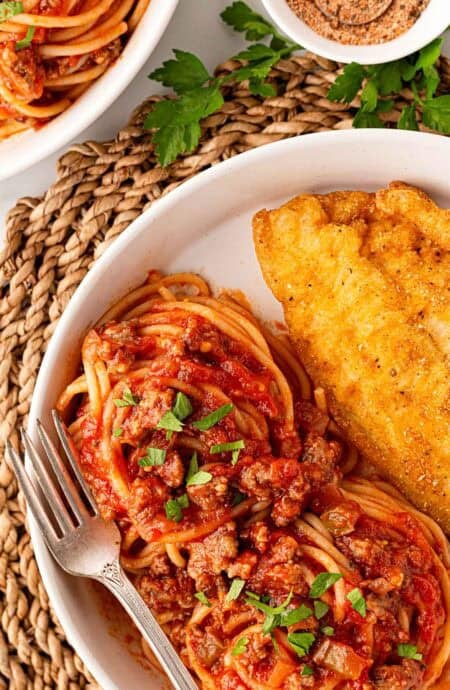
Fish and Spaghetti with crispy fried catfish and spaghetti tossed in a meat tomato sauce made with ground beef, sausage, crushed tomatoes, and Italian seasoning.
Cook ModePrevent your screen from going dark
For the Fish
In a brown bag or ziploc bag, add cornmeal, flour, and spices and shake together.
In a deep pie plate or large shallow bowl, whisk together eggs and hot sauce.
Add each filet into beaten eggs on both sides then add to the cornmeal breading and shake liberally to coat well. Shake off excess coating and add to a parchment covered baking sheet. Repeat with each fillet.
Let fish set for about 10-15 minutes before frying.
In a large dutch oven, pot or deep fryer, pour in about 4 inches of oil and heat over medium high heat until the temperature reaches approximately 350-360 degrees.
Working in batches, lower a few fillets into oil making sure not to overcrowd the dutch oven. Fry fillets until golden brown or about 2-5 minutes on each side depending on size of fish before turning over. Then remove and drain on a wire rack with a baking sheet with paper towls beneath.
Cool for 5-10 minutes then serve with lemon wedges, hot sauce in a bottle on the side and hush puppies and a couple sprigs of parsley.
For the Spaghetti
Add olive oil to large pot over medium high heat on stove.
Add ground beef, Italian sausage, onion, green pepper and salt and pepper. Brown until cooked.
Next add garlic and cook for 1 minute.
Then add in crushed tomatoes, tomato sauce, red wine, chicken stock, Italian seasoning, sugar, and red pepper flakes. Lower heat to medium low and continue to simmer until sauce has thickened about 40-50 minutes.
Bring a large pot of lightly salted water to boil then add spaghetti and cook for 8 to 10 minutes or until al dente. Don’t cook all the way. Drain noodles and rinse with cold water. Add spaghetti to sauce (use as much or as little as you want) and toss to combine then serve.
How to Store
Fridge: Store leftover catfish and spaghetti in airtight containers in the refrigerator for up to 3 days. I recommend keeping the fish and spaghetti separate so the fish stays crispy and doesn’t get soggy from the sauce.
Freezer: Freeze the spaghetti and fried fish separately. The spaghetti can be frozen in an airtight container for up to 3 months. Wrap the fried fish tightly in plastic wrap, then foil, and freeze it in a freezer-safe bag for up to 2 months. Thaw both in the fridge overnight before reheating.
Reheating: Warm the spaghetti in a saucepan over medium-low heat with a splash of water to loosen the sauce. For the fish, skip the microwave. Reheat it in a 375°F oven or air fryer for a few minutes until hot and crispy again.
Calories: 1068kcal | Carbohydrates: 104g | Protein: 56g | Fat: 48g | Saturated Fat: 15g | Polyunsaturated Fat: 6g | Monounsaturated Fat: 22g | Trans Fat: 1g | Cholesterol: 180mg | Sodium: 2040mg | Potassium: 2101mg | Fiber: 12g | Sugar: 23g | Vitamin A: 1472IU | Vitamin C: 46mg | Calcium: 182mg | Iron: 9mg
Recipe Tips
Start with fresh fish, boos. Good catfish should smell clean, almost like fresh water, and feel firm to the touch. If it has a strong fishy smell, toss it, because that flavor will show up on your plate too!
Pat the fish dry with paper towels. Dry fish helps the cornmeal coating stick better.
Use the right cornmeal. Go for fine cornmeal so the coating isn’t too gritty, but avoid the extra-fine kind. That little bit of texture is what gives fried fish that yum crisp bite.
Use a pot big enough for the spaghetti to move around while it cooks. Crowding the noodles makes them clump together. Nice loose noodles make catfish and spaghetti way easier to toss and serve!
Serving Ideas
Recipe Help
Taste it! Al dente pasta should be tender but still have a little bite in the center. If it feels mushy, it’s overcooked.