
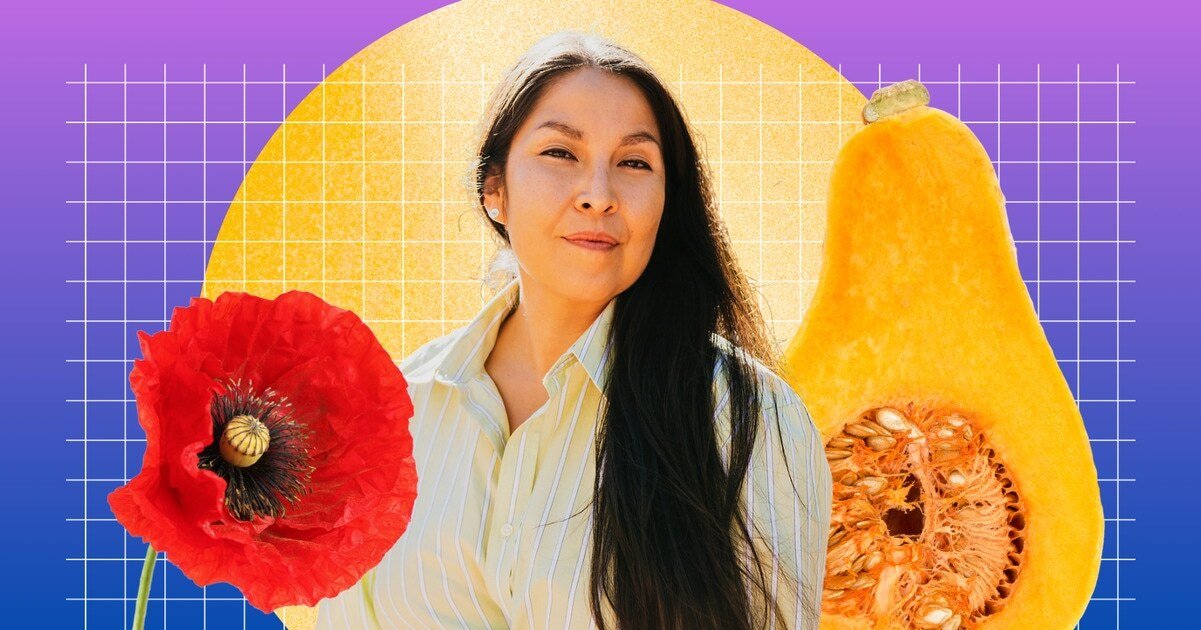

Near downtown Albuquerque, NM, the scent of blue corn and red chilis drifts from a small café that’s redefining Indigenous cuisine for a new generation. At Itality, chef and owner Tina Archuleta is merging Pueblo foodways with plant-based cooking—crafting dishes that honor both land and lineage while advancing a broader movement rooted in health, sustainability, and food sovereignty.
An idea born from a food desert
Archuleta, a Jemez Pueblo native, began her journey two decades ago selling burritos in her community. As her worldview evolved, she embraced a plant-based diet—but found that maintaining it in Jemez was difficult. Many Pueblo communities are considered food deserts, with limited access to affordable, healthy grocery options. Frustrated by this lack of healthy food access, Archuleta began preparing her own food, determined to bring nourishing plant-based meals to the community. That commitment eventually grew into Itality, her Albuquerque restaurant serving whole, plant-based Pueblo cuisine.
Itality
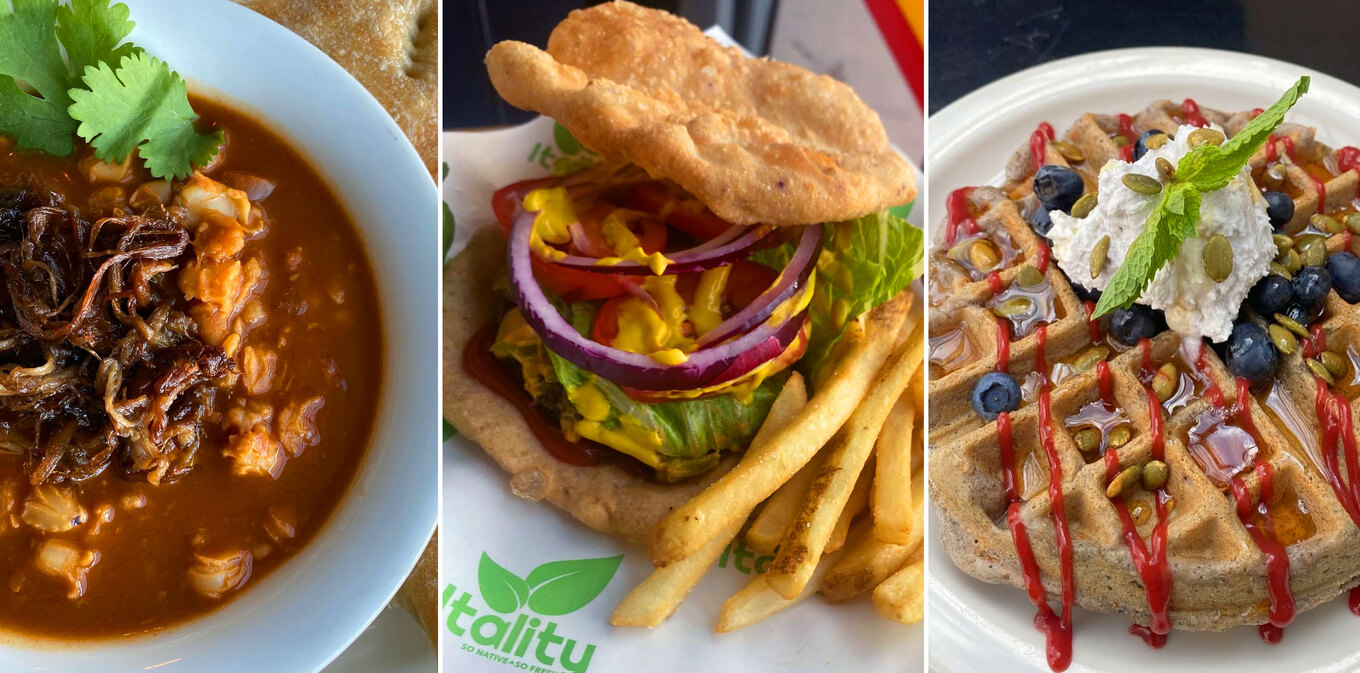
Her cooking draws deeply from the ancestral knowledge of her culture, especially the Three Sisters—corn, beans, and squash—a historic and self-sustaining agricultural system that nourishes both soil and community. In Pueblo traditions, agriculture is central, and children grow up learning food preparation skills that connect seed to plate. Archuleta weaves this longstanding plant-based foundation with the Ital philosophy, a Rasta way of being that emphasizes natural, unprocessed foods and minimizing waste. For her, the blend forms a “lifeway,” not just a menu. And the results are as nourishing as they are delicious. Lion’s mane pozole served with fresh zotah bayla (oven bread); New Mexico-style green chile cheeseburgers made from beans and quinoa served on frybread; and crisp, blue corn-pepita waffles topped with fried oyster mushrooms and red chili maple syrup.
 Itality
But more than just serving from-scratch, plant-based meals, Archuleta is leading a movement toward food sovereignty and environmental responsibility.
Making food and change
Ingredients are responsibly sourced, including from Native farmers, and all dishes are made from scratch. Eco-friendly products are used throughout the space, and composting is part of the daily process—keeping roughly 80 pounds of food waste out of landfills each week. Supporting Itality, the team emphasizes, means supporting more than a restaurant; it means participating in a movement that prioritizes care for the Earth.
She also challenges common assumptions about global food history by centering Indigenous ingredients and techniques. “I’d say 70 to 80 percent of the foods we know today were cultivated in the Americas—I think people overlook that,” she told Edible New Mexico. “We tend to associate chocolate with Belgium or potatoes with Ireland. So I’m reeling that back in … and representing food that is Indigenous made in an Indigenous way.”
 Itality
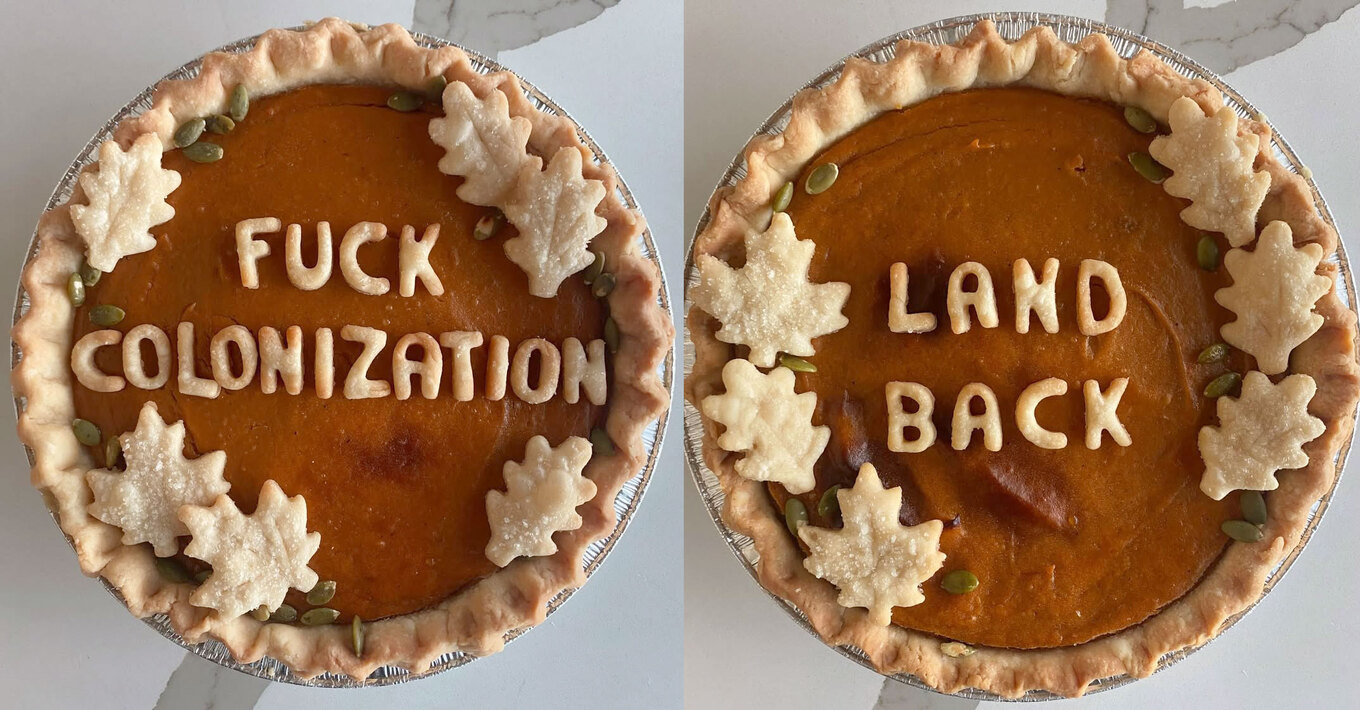
As the only fully vegan Indigenous restaurant in the US, Itality stands out for its mission as much as its menu: a mission to feed, teach, and heal—leaving diners nourished, full, and carrying a bit of wisdom home with them.
For more plant-based stories like this, read:

Richard Bowie (@wichiebowie) is VegNews’ editorial director based in Oakland, CA.