
By Rabbi Moshe Elefant, COO, OU Kosher
Key takeaways:
Passover dietary laws are driving mainstream demand. The kosher for Passover market now reaches 35 million non-Jewish consumers, largely because Passover-certified products overlap with gluten-free and health-conscious eating trends.
Food manufacturers are reformulating products to meet Passover requirements, swapping grain-based ingredients for alternatives like almond flour, potato starch, and coconut flour, creating a broader range of gluten-free options than consumers typically find year-round.
Passover has become an unexpected retail opportunity, pulling in shoppers who avoid corn syrup, legumes, or gluten, making the holiday season a strategic moment for manufacturers and grocers alike.
The Jewish holiday of Passover celebrates the Israelites’ escape from slavery in Egypt, and prompts temporary dietary changes that stem from the Exodus story, changes that food manufacturers today increasingly cater to in order to reach the kosher consumer market and beyond.
The Bible describes the Israelites leaving Egypt so quickly they didn’t have time to let their bread dough rise, and hurriedly baked it flat. To remember that experience, to this day Jews eat cracker-like matzah throughout the eight-day holiday, and refrain from eating leavened foods such as bread, pasta, crackers and pastries made with wheat or other grains. Many of the special products made for Passover are, as a result of these restrictions on grains, gluten-free.
Indeed, the Passover food market has evolved beyond its traditional Jewish consumer base to include a larger and more diverse range of shoppers seeking gluten-free products as well as healthier food options. Many consumers who avoid gluten are seeking products clearly marked as suitable for Passover by kosher-certification agencies, including the Orthodox Union. Some 70% of American Jews celebrate the Passover seder, the festive ritual meal that kicks off the holiday. In addition, the growing number of consumers of all backgrounds who refrain from eating gluten – whether they have celiac disease, gluten or wheat allergies or sensitivities, or simply prefer a gluten-free diet – has prompted more food manufacturers to recognize that kosher for Passover certification helps them reach this market. In fact, a recent study found that the overall U.S. kosher market includes 35 million consumers who are not Jewish.
Many food companies, from the world’s biggest brands to local manufacturers, have either developed new products for Passover or created special recipes to allow their goods to be certified as kosher for Passover. This can entail adjusting recipes, with manufacturers leaving out grains or other foods that Jewish law prohibits for Passover and replacing them with Passover-friendly ingredients. These adjustments are made with the guidance and supervision of certification agencies that track available ingredients around the world that are suitable for Passover.
Shifting to gluten-free products
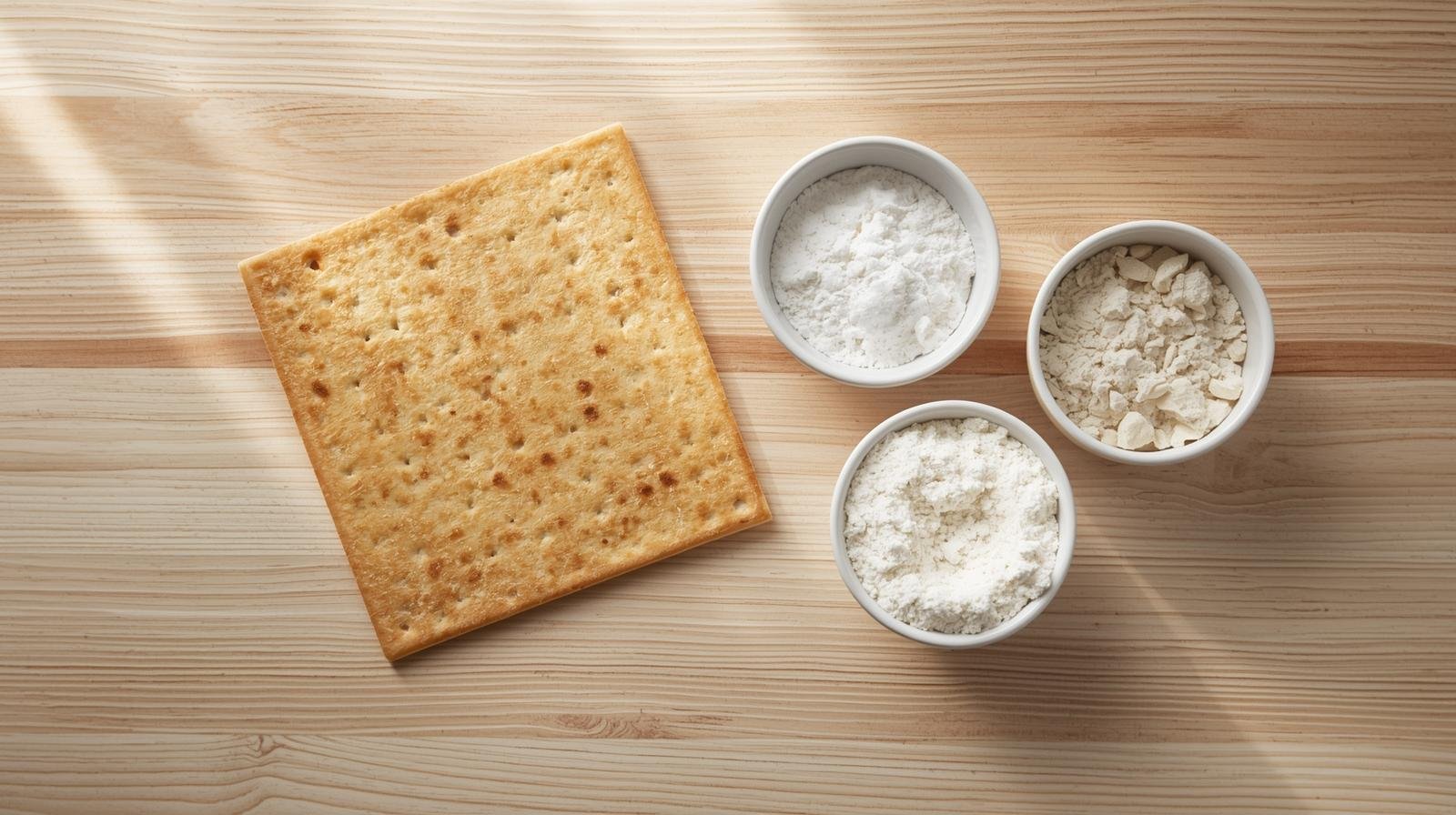
In the past, kosher for Passover cakes and cookies were often manufactured with matzah meal or matzah cake meal, flour made out of matzah, which does contain gluten. Unlike all other foods that are kosher for Passover, the flat cracker-like food that is a mainstay of the holiday is actually made out of wheat flour and water, but strict rules govern how long the flour and water can be mixed together before the matzah is baked, reminiscent of the original, rushed Israelite experience.
However, Passover manufacturing trends have shifted dramatically, toward products that are free of matzah meal and can therefore be consumed by gluten-free shoppers. Common gluten-free matzah meal substitutes that manufacturers use in baked goods include potato starch, almond flour, tapioca flour, and coconut flour. This gives rise to foods that are typically grain-based but are manufactured without gluten at Passover time, including gluten-free croutons, breadcrumbs, cookies, cakes, crackers, and even chow mein noodles. Other products that gluten-free shoppers stock up on during the Passover season include gluten-free soup mix and spices certified as fit for Passover and sometimes manufactured specifically for the holiday.
From yellow-cap coke to premium oils
In addition to providing gluten-free consumers with more grocery options than they typically have during the rest of the year, the Passover season also brings a growing number of specialty and health-conscious consumers into stores looking for foods made specifically for the holiday. This broad appeal is partly due to the fact that many Jews of Eastern European origin also refrain from eating legumes like corn, soy beans, and additives or oils derived from those legumes, resulting in manufacturers catering to these needs as well. Passover, then, has become a time when shoppers who avoid gluten, or legume-based ingredients like high-fructose corn syrup, stock up on foods produced for the holiday that they may not be able to find at other times of the year.
Goods certified for Passover will clearly indicate if they contain these legumes (known as “kitniyot”) or not. For example, Coca-Cola makes a version of its classic soda at Passover time that is increasingly popular with consumers, regardless of their dietary restrictions, because it uses cane sugar, which some Coke fans prefer over high-fructose corn syrup. The sugar-based limited edition is distinguished by a yellow bottle cap, making it easily identifiable to those who have corn allergies or simply prefer the flavor of Coke with sugar.
There are also many other products that retailers may display more prominently around Passover to appeal both to Jewish consumers and to those seeking a healthy lifestyle, which is particularly significant given that over half of Americans say the healthiness of food is highly important when deciding what to eat. These products include alternatives to many of the most commonly used oils in the American diet, such as canola oil. These other oils, like virgin olive oil, avocado oil and walnut oil, appeal to those Jews who observe the Passover tradition of not eating legumes, as well as to shoppers looking for healthier choices and greater variety. In addition, minimally processed products that are both healthy and Passover-friendly, include raw nuts, which typically don’t require special Passover certification if there are no added ingredients, along with quinoa and dried fruits, which are often produced with a Passover certification.
As manufacturers continue to innovate with alternative ingredients and reformulated recipes to meet Passover dietary requirements, and as grocers consider where to place those special-edition foods, the holiday has become an unexpected opportunity for consumers of all backgrounds to access unique food options that align with their dietary preferences and health goals.
Rabbi Moshe  is the COO of New York-based OU Kosher. He oversees the certification and monthly inspection of 13,000 plants in 105 countries, as well as 850 field representatives, 60 rabbinic coordinators and 80 administrative support staff. Rabbi Elefant is also a world-renowned scholar of Jewish law.