
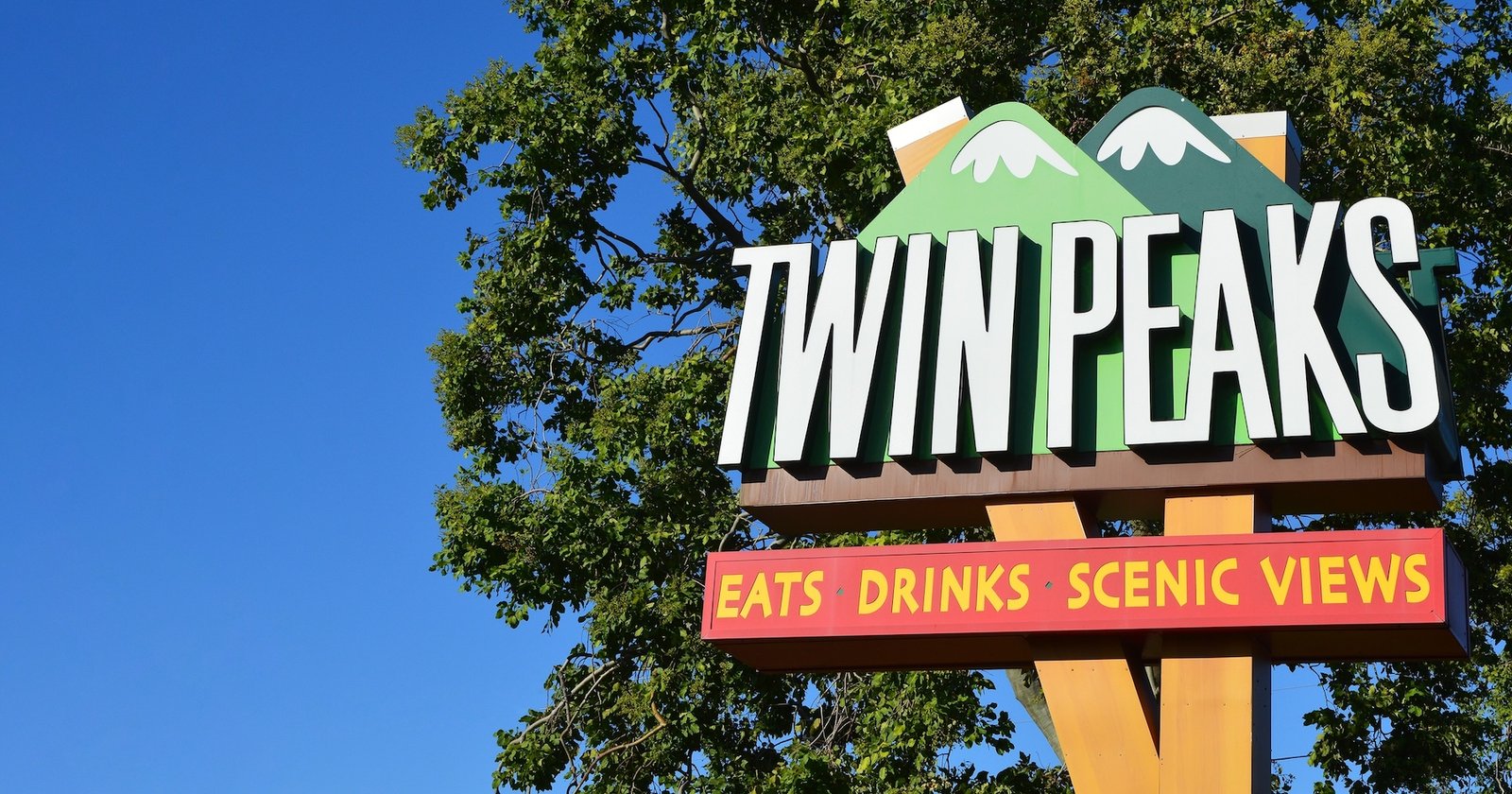

Lenders want CEO Andy Wiederhorn ousted over the sale of Twin Peaks stock. | Photo: Shutterstock.
Restaurant chain operator Fat Brands called an effort to oust Andy Wiederhorn a “personal attack” on the company’s CEO and called the request “extreme,” according to court filings on Monday.
The company also argued that funds from an unauthorized Twin Peaks stock sale that triggered the ouster request have been set aside and are only to be used with approval from a bankruptcy court.
The operator of Fazoli’s, Fatburger and several other chains is backed by the U.S. Trustee, which called lenders’ request to suspend Wiederhorn “not warranted” despite the seriousness of the allegations made in a court filing late last week.
A group of Fat Brands’ bondholders want the bankruptcy court to suspend Wiederhorn as CEO, saying that the stock sale represented “a pattern of putting self-interest ahead of good governance.” Fat Brands had agreed to sell 9 million shares of Twin Peaks operator Twin Hospitality Group to White Lion Capital for $3.1 million.
Yet Fat Brands, which filed for Chapter 11 bankruptcy last month with $1.5 billion in secured debt, argued that the company and lenders are in mediation to address various issues, including governance. Cash from the stock sale has been set aside and was only to be used to operate the company.
Fat Brands said that the request “distracts the debtors from prioritizing stabilizing operations and securing necessary financing.”
“The motion is a personal attack on the debtors’ CEO, devoid of any supporting evidence tied to what actually happened with the” stock sale, the filing said.
The filing said that the request to suspend Wiederhorn “is both extreme and not supported by the circumstances or the law.” Fat Brands said that ousting Wiederhorn would likely be “value destructive” to Fat Brands and “imprudent.”
In the rare cases when courts have ousted a chief executive, the filing says, “it was on the back of shareholder consent along with substantial evidence of egregious self-interest conducted by management, none of which is present here.”
The U.S. Trustee agreed that the request was unwarranted, saying that “corporate governance, including the election of directors and the appointment of officers, is the province of applicable state law and a corporation’s organizing documents with few exceptions.”
That said, the trustee called the allegations made by the lenders “deeply troubling and, if ultimately proved true, could warrant relief from this court.”
The debate over Wiederhorn and his role in Fat Brands accentuates one of the more critical issues in the company and its bankruptcy.
Wiederhorn is the chairman and CEO of Fat Brands, and family members and other insiders dominate its board of directors. Questions about his role were raised almost immediately following the bankruptcy filing, prompting a mediation effort between the company and lenders to work out many of their differences.
The filing itself is one of the more complex bankruptcies the industry has seen, with dozens of different entities, more than two dozen bondholders and 16 restaurant chains, including two different publicly traded entities.
Members help make our journalism possible. Become a Restaurant Business member today and unlock exclusive benefits, including unlimited access to all of our content. Sign up here.