

If you’re reading this, you’re probably not sipping an organ meat smoothie from Erewhon, using beef tallow to cook your fries, or snacking on whole sticks of butter. But it might feel increasingly difficult to avoid seeing these trends across the internet, in restaurants, and even in public policy.
As part of his Make America Healthy Again initiative, Secretary of Health and Human Services Robert F. Kennedy Jr. is promoting raw milk and beef tallow (the rendered protective fat around cow organs). Texas-based influencer Brian Johnson—known to many as the “Liver King”—built a career and a following of millions to show how a carnivorous diet of raw liver and other organs got him his hulking, shredded physique. Bella Ma, Juilliard-trained pianist and a former dedicated vegan—and now known as @steakandbuttergal—claims switching to a diet of whole sticks of butter, fatty steaks, and two dozen eggs daily resulted in weight loss, improved mental clarity, and clearing up her eczema and other autoimmune issues. Buoyed by more than a million followers, Ma launched The Steak and Butter Gang, her paid membership group.
Even some of the most beloved plant-based eateries are falling into the clutches of the move toward meat. Los Angeles’ award-winning Sage Plant-Based Bistro upended 13 years of animal-free dining when owner Mollie Englehart announced in 2024 that the eatery would be adding regenerative meat and dairy to its menu (the restaurant ended up closing its doors in early 2025). In New York, Michelin-starred Eleven Madison Park made headlines when owner Daniel Humm walked back his 2021 decision to shift to a plant-based menu, citing financial pressures and dwindling patrons.
It’s like the world has gone mad for meat. How—after years of momentum toward a plant-based lifestyle—did we get here?
Canva Studio | photo illustration by Richard Bowie
It starts with the truth
“All people want to be healthy. They don’t want to be overweight,” says former triathlete, author, and Plantstrong podcast host Rip Esselstyn. But according to the Centers for Disease Control and Prevention (CDC), 40 percent of adult Americans are. And new research for the Lancet Diabetes and Endocrinology Commission puts that figure closer to 70 percent. Both agencies blame ultra-processed foods (UPFs), which make up over two-thirds of most Americans’ diets.
With these findings, the meat and dairy industries began to exploit consumer fears and claw back at the market share they’d lost during and after the pandemic—a time when meat consumption dropped while plant-based product sales surged. So they employed pro-meat and anti-science lobby groups such as the Center for Consumer Freedom and Red Flag, firms who have lobbied for the tobacco, alcohol, and chemical industries.
Using tactics to distract, derail, and discredit, Big Meat and Dairy first went after plant-based burger brands like Beyond and Impossible with a $5 million Super Bowl ad calling out one ingredient—methylcellulose—and saying it was a laxative. It’s not. Methylcellulose, classified as safe by the FDA, is a plant-based emulsifier that also makes commercial ice cream smoother and baked goods fluffier. The misinformation spread so quickly that even the morning show Today took up the matter.
 Baona/Getty Images | photo illustration by Richard Bowie
From there, narratives positioning plant-based products as “UPFs,” vegan meats as “fake,” and seed oils as “toxic” began to take off. Media began to romanticize meat, raw milk, butter, and marrow. Instead, these animal products were glorified as “natural, unprocessed, pure, and ancestral”—and the answer to everyone’s health concerns. Of course, plant-based whole foods are natural, pure, and ancestral, too, but that’s not what is showing up on your For You page.
Esselstyn, whose books include My Beef With Meat, blames social media for the explosion of disinformation. “Between TikTok, Instagram, and Facebook, it’s given influencers a platform for sensationalism that doesn’t have to be defensible.”
And this isn’t just speculation. A report from Rooted Research Collective has identified more than 50 social media “superspreader influencers,” who—without nutrition or medical expertise—are amplifying Big Meat’s messaging by hawking bunk science, egg-and-butter-laden recipes, and whimsical depictions of “tradwife” lifestyles. A University of Rhode Island study shows these mega-influencers are shaping diet and lifestyle choices for their millions of followers, which in turn triggers algorithms that control what’s showing up in our feeds.
Meanwhile, targeted ads and sponsored posts are being used to disrupt interest in the once-red-hot plant-based lifestyle. Click on Esselstyn’s book My Beef With Meat on Amazon, and comparable titles come up. Among them: The Carnivore Code by Paul Saladino, MD—the same influencer who partnered with Erewhon for its stomach-churning, unpasteurized, liver-heart-pancreas-kidney-and-spleen smoothie that went viral across social media.
“Now, there are millions of people who have beliefs about meat, animal farming, and protein that are completely off-base, based on nothing but a lie that is said often enough that it sounds like the truth,” says Victoria Moran, founder of Main Street Vegan and author of Age Like a Yogi.
It’s misleading at best, dangerous at worst, and part of Big Meat’s broader strategy to discredit vegan companies and organizations, including the Humane Society, Beyond Meat, and even the science journal The Lancet.
Why go after The Lancet? The highly influential medical journal published a landmark 2019 EAT-Lancet report in which 37 global scientists concluded that a plant-based diet offers the best chance for human health and global sustainability. In response, paid lobbying groups threw everything they had at the report—creating conspiracy theories, spreading misinformation, and discrediting the scientists who wrote it.
Real science is under attack, and these days, the attacks are working. Meat consumption is back en vogue—Americans eat 224 pounds of red meat and poultry, and 667 pounds of dairy per year, according to the United States Department of Agriculture (USDA) and the International Dairy Foods Association. And these numbers are projected to rise. Sales of raw milk—which despite RFK Jr.’s endorsement is still flagged as a health risk by the CDC—shot up 18 percent in 2024.
 kumarsu6745 / scyther5 | photo illustration by Richard Bowie
Fear and politics—it’s what’s for dinner
If anyone knows what’s going on at the intersection of social media and health, it’s Tabitha Brown. After a plant-based diet healed her of chronic, debilitating headaches that even her doctors couldn’t diagnose, she dove straight into veganism and never looked back. She found stardom in 2017 with an infectiously positive and approachable story of joy and well-being that instantly resonated with followers. But these days, she says, she’s seeing an about-face.
“There are all of these studies, all of these health scares. People are willing to try anything,” Brown says. “People are afraid.”
RFK Jr. promised his Make America Healthy Again campaign would offer directives for longer, healthier lives, supported by systems that prioritize prevention, well-being, and resilience. But from linking autism to circumcision and Tylenol and advocating for the consumption of raw milk, it would seem public policy is only generating confusion and fear.
Of course, this fearmongering and the backsliding toward meat takes root more easily in a society in which meat consumption is already normalized, and not seen as wrong or abhorrent. This—according to Melanie Joy, PhD, author of the seminal Why We Love Dogs, Eat Pigs, and Wear Cows—is called “carnism.”
Humans have long existed within a culture of carnism, but as modern plant-based living resonates with more people than ever, carnism has become more aggressive, going far beyond the typical attacks on veganism. “It’s what happens whenever there are substantial strides made in challenging the dominant way of life,” Joy says. “It’s part of a broader backlash against all things progressive.”
According to food policy expert and New York University public health professor Marion Nestle, PhD, this backlash is a side effect of an increasingly polarized and politicized society, exemplified in a statement from the USDA last March. In the statement, Secretary Brooke Leslie Rollins announced her continued work alongside RFK Jr. to overhaul the 2025-2030 Dietary Guidelines, declaring that “gone are the days where leftist ideologies guide public policy.”
“I couldn’t imagine what she was talking about,” says Nestle. “Since when were dietary guidelines ever leftist?” Indeed, USDA employees are subject to the Hatch Act, which requires federal employees to remain nonpartisan and to abstain from activity directed toward the success or failure of a political party.
“But then I figured out what she meant: vegetables,” Nestle continues. “Republicans are meat-eaters; Democrats are vegans. Hence, beef tallow for frying potatoes and seed oils are poison.”
“2019 was the year of the vegan—that was a cool thing to want to be,” recalls Moran. “Now, because of the current administration and because of the very wealthy and powerful industries that a plant-based world would completely disrupt, they’re not going quietly.”
 Pexels
Cracks in the carnivore culture
Despite all the carnivore noise, there’s a lot that Big Meat and Dairy is keeping quiet about. Namely, what does it take to produce all of that meat?
A new study published in the scientific journal Nature Climate Change puts the carbon “hoofprint”—the amount of carbon generated by meat production and distribution—at 329 million tons. And that’s just in urban US cities alone.
Oxford University’s Livestock, Environment and People (LEAP) Project, a study of 55,000 people, found a carnivorous diet has about four times the environmental impact than a vegan diet, while a vegan diet results in around 75 percent less land use, 75 percent fewer greenhouse gases, 54 percent less water use, and 66 percent less biodiversity loss. That’s why the United Nations’ Food and Agriculture Organization says that “a vegan diet is probably the single biggest way to reduce your impact on planet earth.”
And aside from sustainability, even some of the more viral health claims about meat, dairy, and eggs seem to be crumbling.
Despite the anecdotal evidence, there are no long-term studies highlighting the health benefits of a “carnivore” diet. “One thing we have is the science,” says Esselstyn. “It’s never been stronger. Look at Michael Greger, MD’s How Not to Age—he includes 13,000 different peer-reviewed citations. Nobody on the other side is supporting their claims with any kind of science.”
 Liver King/Instagram
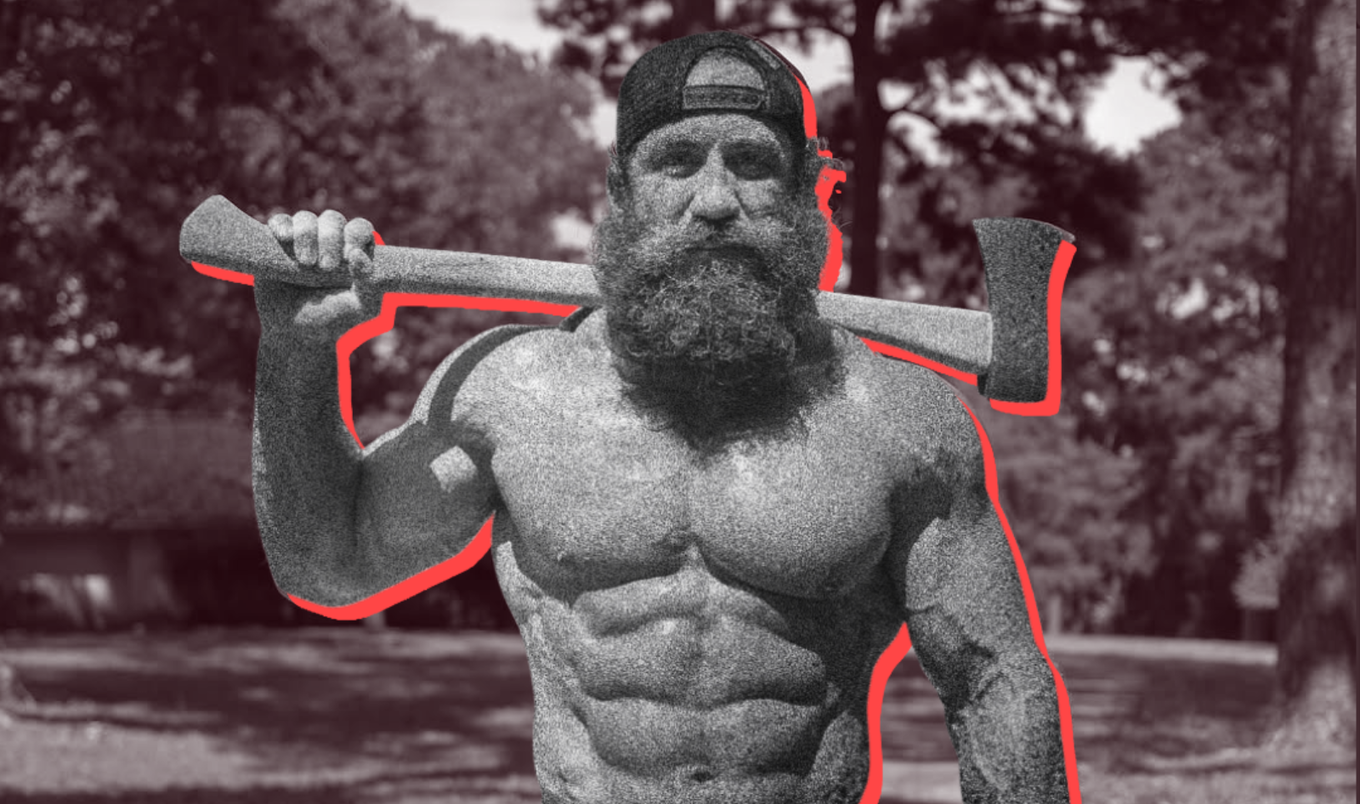
At the peak of his career, the Liver King boasted more than 10 million social media followers and more than $100 million a year from sponsorships, ads, and other revenue streams—a windfall stemming from his claim that his fitness regimen and carnivorous diet of raw organs fueled his shredded physique. But fans turned on him after leaked emails revealed his “ancestral” lifestyle had help—from $11,000 of steroids a month.
The Carnivore Code’s Paul Saladino, MD found out carbs aren’t the enemy after all, when an all-meat diet caused him joint pain, cramps, sleeplessness, and plummeting testosterone. He’s since added fruit back to his diet. And evidence of his viral partnership with Erewhon on the Raw Animal-Based Smoothie has been scrubbed from the grocer’s social media. Controversy around the safety of one of the drink’s central ingredients—raw milk—has also been swirling in recent months.
Last year, Florida mom Rachel Maddox made headlines when she sued Keely Farms Dairy after her two-year-old son contracted E. coli and campylobacter from the company’s raw milk, sending her toddler to the hospital with severe nausea, diarrhea, vomiting, abdominal pain, and dehydration.
Maddox, who was 20 weeks pregnant at the time, contracted the same bacteria and developed sepsis while caring for her son, even though she never drank the milk herself. She ended up miscarrying her unborn baby. The milk Maddox purchased from a health food store was labeled as “not suitable for human consumption” but was told it was just “a technical requirement to sell ‘farm milk.’”
Going full-fledged carnivore might have boosted @steakandbuttergal’s social media following and bank account, but it also boosted her cholesterol—by a lot. Recent bloodwork results she shared on social media showed an increase from 163 in her vegan days to 365 on a carnivore diet. Her LDL went from 81 to 264, her HDL went from 73 to 98, and her triglycerides went from 97 to 15—and this is nothing to say of her bowel issues, which included both constipation and explosive diarrhea.
Perhaps that’s why Whole Foods Market predicts the consumer drive for gut health will make 2026 the Year of Fiber. Fiber, the essential nutrient present in plant foods from almonds to zucchini, is totally absent in meat.
Meanwhile, the 2025 EAT-Lancet report doubles down on the panel’s original findings, calling for lower global meat consumption in favor of protein-rich beans and nutrient-rich vegetables, nuts, and whole grains.
With no comparable data to point to, it’s no wonder the meat and dairy industries have had to go into attack mode. The best they’ve managed in their own defense are self-funded studies, including one linking meat consumption to improved mental health. It may be effective in a headline, but one only needs to read further to discover the myriad health risks, including dementia and memory loss.
Even Marc Siegel, the medical analyst for conservative network Fox News, admits the carnivore diet is “a high-inflammation diet, which means you end up with heart disease, you end up with cancer, you end up with diabetes, and you end up with obesity.”
 Pexels
It ends with the truth
It can be hard to be vegan in this particularly aggressive, meat-centric environment. But the truth is going to have to come from the plant-based community. “It’s easy to shine a light on the bad or hurtful moments. But there are still a lot of great things happening in the community,” says Tabitha Brown.
Close to 26 million people participated in Veganuary 2025, one of the most successful years in the program’s decade-long history. More than 400 universities have made plant-based meals the default option, serving 1 million students a day. A recent study in The American Journal of Clinical Nutrition of nearly 80,000 people found that a plant-based diet may reduce rates of stomach cancer, lymphomas, and cancer overall.
The plant-based brands targeted by Big Meat are fighting against the smear campaigns, shaking the ultra-processed labels, and working to meet demand for clean, clear-label protein. Impossible is focusing on performance, earning a special certification to be served to MLB and NFL athletes as a source of nutritious protein. Beyond is pivoting toward ingredient transparency with its Beyond Test Kitchen initiative and releasing limited-edition, minimally formulated products like Beyond Ground.
The way Joy sees it, we’re all vegan ambassadors. To be effective, “it’s important to become as informed as possible,” she says. Call out the meat industry’s lies, not with anger, but with solid information. And here’s the challenge—do it with the same compassion you feel toward animals.
Compassion may be the biggest, most valuable tool in the whole vegan message. It’s not only a core tenet; it’s hardwired into being human. We’re made to care about others. “Carnism blocks those natural impulses. It’s asking people to act in a way that’s in opposition to what they truly believe and feel,” says Joy.
For Brown, remembering her motivation helps her drown out the negativity and continue on her path of inspiring and sharing with others. Originally, her “why” for going vegan was to save her own life, she says. But now, “I’m saving the lives of animals, I’m saving the planet. I’m being more compassionate as a human being, compassionate to other human beings.”
The pendulum swings and trends ebb and flow. Meat may be fashionable for the moment, but anger, misinformation, and pseudoscience all have a limited shelf life.
“There’s a way to feel good and also do good,” says Moran. “Remember—we are the cool kids.”
For more plant-based stories like this, read:

Ellen Kanner (soulfulvegan.com) is the author of the award-winning book Miami Vegan: Plant-Based Recipes From The Tropics To Your Table.