
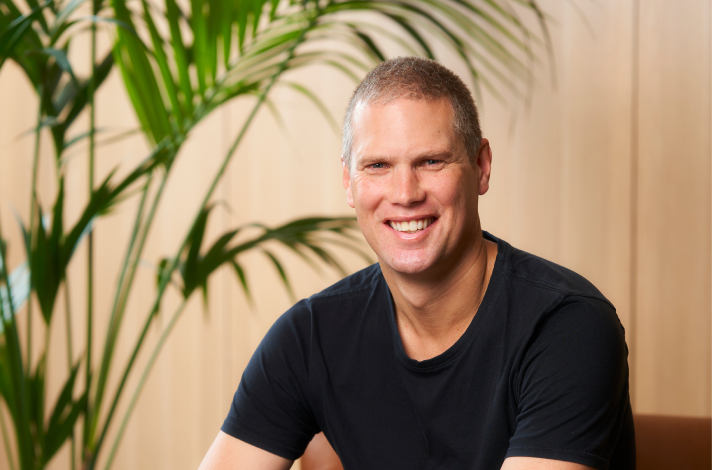

Attributed to Grant Austin, CEO, pay.com.au
For the local bar and spirits scene, 2026 is setting up to be a brutal test of endurance. Between skyrocketing overheads, inflation and tax hikes, businesses are increasingly being tested by the very system meant to support them.
We saw the devastating impact of this trajectory last year, with bars, clubs and pubs seeing annual failure rates of almost 8%. For those still standing, the math is only getting harder. With the ATO expected to collect roughly $8.0 billion in alcohol duty this year, excise tax has evolved from a manageable line item into a massive drain on the capital needed to fuel marketing, retain staff, and scale production. Yet while beer and wine producers have seen glimpses of policy relief, the spirits industry remains lashed to the mast of automatic tax increases.
Facing the world’s most expensive excise tax
As operational overheads like energy and labour are rising, the most consistent pressure comes from automated tax hikes. While the Federal Government recently implemented a two-year indexation freeze for draught beer (until August 2027) to support local pubs, the spirits industry remains excluded. Australia’s spirits excise is already among the highest in the world, and as of 2 February 2026, it has climbed again from $105.99 to a staggering $108 per litre of pure alcohol. For small-to-medium distillers and distributors, this creates a liquidity cliff where large sums of cash sit idle for the ATO rather than being deployed to grow the brand.
But what if this burden could be flipped? Instead of viewing excise as a sunk cost, savvy brands are treating it as a capital efficiency tool.
How Solbevi is flipping the script
The reality is that excise duty is mandatory. You cannot avoid it, and you cannot negotiate it. However, you can choose how you pay it. In a high-interest, low-margin environment, optimising your payments strategy is just as important to the bottom line as driving your next sale.
A prime example of this is Solbevi, the Melbourne-based spirits brand that has taken on the global giants with its limoncello. Founded by Stefan Di Benedetto, who left a career in construction to modernise his family’s heritage drink recipes, Solbevi has scaled rapidly into Dan Murphy’s and onto Qantas flights. Yet, like any fast-growing spirits business, their success brought a ballooning excise tax bill.
Solbevi transformed this massive financial hurdle into a competitive advantage by routing their mandatory excise spend through pay.com.au. By using a credit card to pay their alcohol tax through the platform, they supercharged their business rewards. This strategy allowed them to generate 2,305,968 PayRewards points on bills they were already required to pay, translating into over $4,100 in net value back to the business.
Most importantly, it provided the equivalent of three and a half Business Class tickets from Perth to Rome. For a brand like Solbevi, this strategy serves as a self-funded growth engine. Those points allowed Stefan to fly Business Class to Europe to meet global suppliers and scout international export markets, ensuring Solbevi could scale globally without draining the cash reserves needed for local production. By treating ATO payments a source of points rather than a source of pain, Solbevi turned their largest overhead into their most effective international business development tool.
Managing liquidity in a high-tax market
Solbevi’s success serves as the blueprint for an industry at a crossroads. Last year alone, pay.com.au data projected a total customer spend of over $137 million on excise taxes, representing more than 275 million PayRewards points — the equivalent of over 200 Business Class flights.
As we continue to navigate tax hikes, the gap between the businesses that thrive and those that merely survive will be defined by liquidity management. In this climate, distributors and bar owners need to look at every dollar exiting the business and ask what that dollar is doing for them. If the answer is “nothing,” it is time to change the strategy.
By utilising interest-free periods of commercial cards to extend cash flow and routing mandatory spend to capture secondary value, businesses can bridge the gap between tax deadlines and customer payments while simultaneously self-funding their corporate travel. By pulling these strategic liquidity levers to turn tax liabilities into assets — as Solbevi has done so effectively — can ensure that the next excise hike fuels your next stage of growth, rather than just your overheads.