

In the U.S., the Margarita is the most popular cocktail order, and the Paloma and Michelada are staples at most bars. But beyond these familiar recipes, there’s a vast world of Mexican classics that deserve a turn in the spotlight north of the border. From a citrusy refresher guaranteed to “send you flying” to a bittersweet Gin & Tonic, here are a handful to add to your rotation.
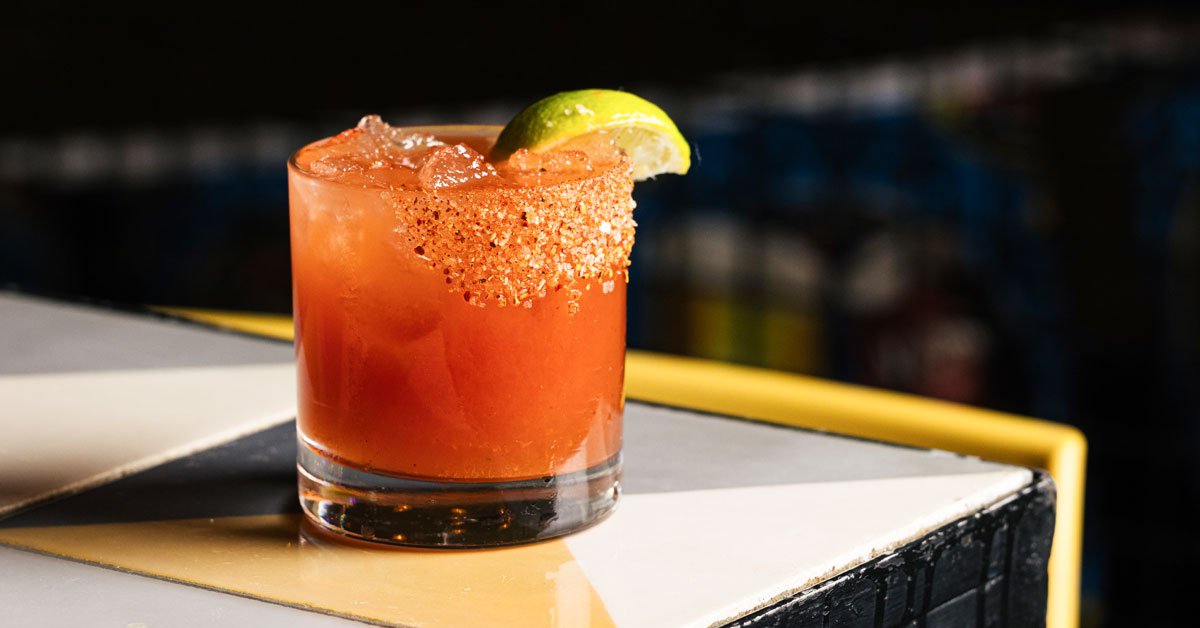
You may be familiar with La Batanga, Mexico’s answer to the Cuba Libre, from its bout with virality last year. A simple mix of tequila, Coca-Cola, lime and the occasional salted rim, it’s a refreshing drink, and it’s easy to see why it would take off. Riffs on the drink abound, like the version served at Cicatriz in Mexico City, which introduces Ancho Reyes chile liqueur to the template, and the Jerk Batanga at New York’s Dolores, which adds a blend of spices and banana to the mix.
A Batanga
A cheeky take on Don Javier’s classic preparation of tequila, Coca-Cola and lime. The drink must be stirred with the knife used to cut the limes.
The Salmoncito is newer to Mexico City’s drinks scene, but, since its creation in 2013, the cocktail has already become a modern classic. Essentially a Gin & Tonic made with the addition of Campari and grapefruit, the bittersweet drink was invented by Khristian de la Torre, who describes it as “easy to make, easy to drink [and] easy to sell.” The name comes from its garnish: a supremed grapefruit wedge that resembles a little salmon swimming against a current.

Salmoncito
This bittersweet, citrusy highball is a Mexico City–born modern classic.
Mexico’s carajillo—adapted from Spain’s—combines espresso and Licor 43 (a vanilla- and fruit-flavored liqueur) over ice. In the early aughts, what started as a Spanish diaspora drink became a popular party-starter for young people, akin to Vodka Red Bull or an Espresso Martini. Today, at Mexican bars and clubs, you can order it puesto (with the espresso and liqueur separate, and on the rocks) or shakeado (with the ingredients shaken together into a frothy mix, served over ice).

Carajillo
Fresh, hot espresso and Licor 43 make up Mexico City’s party drink.
To get the Vampiro’s signature red color, sangrita—which is typically a chaser— goes directly into the drink, infusing its punchy, savory tomato flavor with a mix of tequila, citrus juices, soda and salt. Though the cocktail originated on the streets of Jalisco, it’s since traveled to the “classics” sections of menus at Mexican bars around the world. While it’s traditionally served in a plastic bag, Barcoa, in Phoenix, serves theirs in a glass on the rocks and makes their sangrita from scratch.

Vampiro
Jalisco’s streetside staple.
Also from Jalisco, the Guadalajara Punch is a large-format crowd-pleaser consisting of a spirit (typically aguardiente blanco or tequila), a mix of citrus fruits, soda and salt. It’s also known as the Cazuela Voladora—”flying casserole”—because of the large clay vessel it’s served in and its easy-drinking ability to “send you flying.”

Cazuela Voladora
Also known as Guadalajara Punch, the easy-drinking tequila cocktail is cirtusy and refreshing.
Made with tequila, fernet and anise liqueur, the Piedra was designed as a hangover cure. It’s easy to make—equal parts, and built directly in the glass—but can be challenging to drink. Still, it does the trick. “The tequila is there, to warm the heart; the anis, for health; the fernet, for digestion—it was the ultimate cure-all,” writes Punch contributor Scarlett Lindeman of the cocktail. “Softening is beside the point for this 20th-century curio.”

Piedra
Mexico’s hangover cure.
Like the Paloma, a Cantarito is a grapefruit and tequila cocktail, but is distinguished by its cántaro—a squat clay cup—and the additional ingredients it sometimes includes, like Tajín and various citrus fruits. This version features a chamoy rim. As Richard Betts, founder of Sombra Mezcal, describes the classic, “It’s like a supercharged Paloma and so damn good.”

Cantarito
The Paloma’s supercharged sibling.